“Mrs. Beale, it’s a boy plant!”
The boy held up his water bottle like a trophy. Inside, a pale sprout had pushed out from his clipping overnight. Months earlier, this same student had read far below grade level and wanted nothing to do with a book. Now he was a caretaker, protective of his own success. I bit my tongue to keep from laughing and told him to give the clipping fresh water and set it back carefully. He nodded, serious. “Oh yeah, I don’t want to break it.”
I taught 7th- and 8th-graders whose reading levels were far below grade level. They came to middle school with negative attitudes toward reading and apathy toward learning in general. Who could blame them? When you struggle with reading, everything in life gets harder.
My approach was functional literacy through inquiry. I had a rare gift: enormous creative freedom, no state standards to contend with, no set curriculum. So I let the students choose the topics, and together we found all the ways reading and writing fit.
That approach changed me as much as it changed them. I was not teaching content. I was facilitating learning through student interest. I showed my students that text is a blueprint for real life. When they wanted to know how clothes were made, we read sewing patterns and stitched our own stuffed animals.
Then Damar Hamlin went into cardiac arrest on live TV. My students came in the next morning frightened and full of questions. So we turned that fear into a functional literacy unit. We read first-aid manuals, and a local EMS instructor came in and taught them CPR. Kids who avoided textbooks were memorizing compression rates because reading might not save someone.
We used reading to uncover the past, too. We researched unsung heroes and traced family histories on Ancestry.com. One girl followed her own line back and found her grandfather listed as a celebrated local hero. She read his name in a record and looked up at me like the page had handed her something. By the time we penned birthday letters to a centenarian veteran, my students had learned that reading and writing gave them the power to shape their own world.
My favorite unit was the simplest. We read about what plants need to survive and how to propagate them, and each student kept a clipping in a water bottle on the windowsill, checking every morning for signs of life. The boy with the sprout was one of those mornings.
Fast forward to today. I am a 6th-grade science teacher now, and the ground has shifted. Total freedom has been replaced by clearly defined standards, a district-mandated curriculum, and a structured pacing guide. If you teach in today’s public schools, you know this pressure intimately. It is easy to feel like a hamster in a wheel, checking off boxes instead of igniting curiosity. The curiosity is still there in the amazing questions students ask. But following the curriculum without room for responsiveness can limit their engagement.
Twenty-five years in the classroom have taught me a truth no curriculum framework can erase: standards might dictate our destination, but they do not have to dictate our journey.
Even inside a strict science pacing guide, student inquiry can still drive the learning. When we begin a mandatory unit not with a textbook lecture but by letting students form their own messy, curious questions about the natural world, the energy in the room shifts. Give them a voice in what they want to know and a choice in how they gather data, and real learning happens. They aren’t memorizing facts for a quiz. They are mastering the standards through real-world application. When students investigate their own lines of inquiry, their achievement climbs, which proves that freedom and choice aren’t about rebelling against the curriculum. They are about bringing it to life.
To my fellow educators staring down daunting pacing guides and unpacking standards, I offer a gentle challenge: look for opportunities within the curriculum to be innovative. Find the quiet moments, move beyond the script when appropriate, and lean into the real questions your students are asking. When we trust their curiosity and hand them the autonomy to voice their own wonder, we do far more than help them meet a standard. We show them that their minds have the power to shape the world.
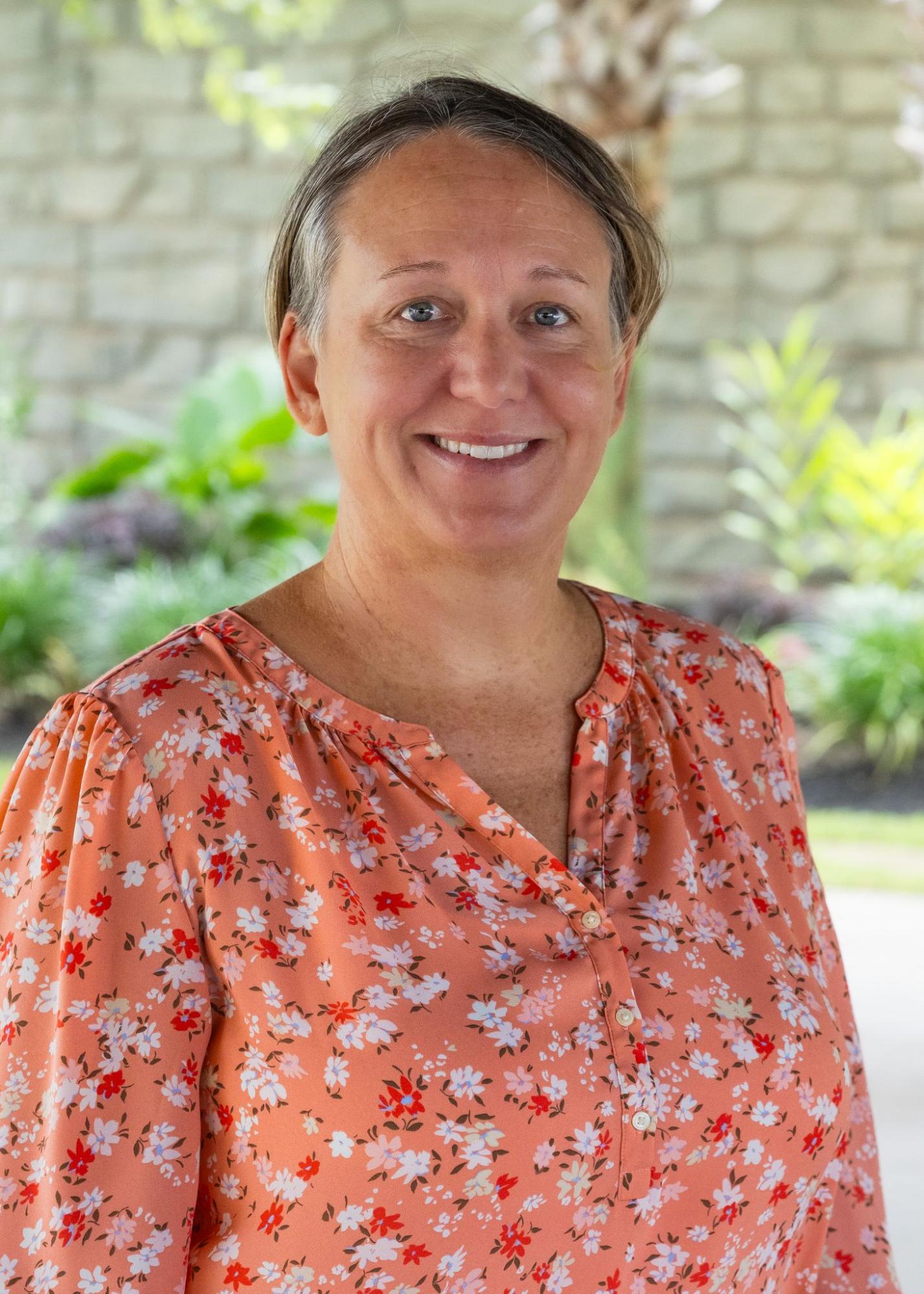
April has spent 25 years in public education cultivating lifelong curiosity in her middle-level students. Currently teaching sixth-grade science, she is a passionate advocate for student-centered learning. Her ultimate message to fellow educators is simple: do not wait for permission to be innovative. Empower your students’ voices, inspire their minds, and protect their wonder.