Stop me if you’ve heard this one before. “No one wants to work anymore.” What about this? “What are they teaching these kids now? They don’t know anything about the real world.” I hear these sentiments quite a lot in my field of work. As an educator focused on work-readiness and career development, I sit at the intersection of industry expectations and students’ preparedness to meet them. The problem is that there are more layers to these issues than people realize. So often, especially in high-poverty rural communities, there are barriers that prevent the attainment of skills that the workforce hopes to see. I didn’t know it at the time, but I think I may have been built over time to uniquely identify with both.
My brother and I were raised in rural South Carolina by my grandmother with a very limited income. I lived in a big house, so people didn’t realize the limitations we faced and the inability to attain the things that others had. Beyond the emotional toll was the realization that I had to work for the things I wanted. I was fortunate to have people in my life who helped me with those things. From beginning to work at 14, to dropping out of college when I got married at 19 and divorced at 27, going back to school to get not only a Bachelor’s degree but also a Ph.D., there were people in my life who interceded. There were times I didn’t have transportation to get to school or work, and someone stepped in to assist me. There were times, as a single mom, when I had to choose between gas for my car to get to work and keeping the lights on, and someone helped. There were also times, though, when I wanted to give up or made choices with consequences that could have been much worse. As I look back at my life and the beauty of where I am now, I know I would never have reached this point without the mentoring and support of the people in my life. While this story is wholly mine, it is not unique, as many students and their families face such challenges daily.
Now that I am a Work-Based Learning Coordinator tasked with finding internship opportunities for high school students, I see so much of myself in some of them. When people say no one wants to work anymore my first thought is that I have 74 student interns who want to go to work today, and I can’t find enough people to work with them all. And is it that the people you want to work with have no desire to work, or have the circumstances of their life put them in a position where they do not have the means to work? Is transportation a barrier, or are they struggling to eat and have clothing? Or do they just need the right people to take notice and give them the opportunity to learn?
While internships are reciprocal relationships that can meet an organization’s needs and provide real-world experience for students, they are still learning experiences, and most will not equip students with the skill set to perform as a seasoned professional would. When I first came into my role, I was naive to the fact that those complaining about the workforce could also be unwilling to provide opportunities for students. Yet, with the right supports and partnerships in place, I have seen great success for some of these students.
I was hired four years ago to manage the Key to Career Internship Program that began with 18 students and has expanded to 159 in the past year. These students are strategically placed in courses to help build essential life skills, such as communication, collaboration, and time management. Many of these students will need to unlearn behaviors that counter those skills, and it does not occur overnight. With my very first cohort of students in the spring of 2022, I began to realize not only that reality but also that the students I needed to help find internship experiences faced barriers beyond the classroom.
One of my first interns had a placement aligned with her career goals, but her family had only one vehicle, and her dad used it to get to work. Transportation is a major issue for many students, and we were able to work through it, but it wasn’t the only issue. Her internship mentor noticed the condition of her clothing and paid for her to buy two suits she could wear on specific days. He never asked whether she needed the clothing; instead, he told her that, since she was his employee, he needed to provide her with a “uniform,” and she never realized he was assisting her because of her needs. When she received her first paycheck, she proudly told me she was able to turn the power back on at her home, after they had been living without lights or heat for months. At the end of her internship, her mentor gave her a $500 scholarship to help purchase college books – in addition to the $ 10-per-hour salary she earned. This student is currently finishing up her senior year of college with skills and abilities she would not have had if her mentor had not been willing not only to open the doors of his organization for her, but also to see and help meet her needs.
Similar to my story, her story is unfortunately not unique, either. I have had a student intern who was involved in gang activity, who worked for a fire department, and is now in the military. I have had a student intern who went from being on the verge of an attendance plan to showing up every day at school and work, even if he had to walk. I have also had internship students who worked two jobs or slept on friends’ couches because they did not have a home. These were all students who wanted to work but, without assistance, could not.I recognize the needs of others because of the needs that I have encountered. I also recognize the privilege I have because others stepped in to help me. To truly build a workforce pipeline, we need to go beyond opening doors and open our eyes to the problems students face every day, asking how we can help alleviate them. It is not enough to say what we want the future workforce to look like; we need to put in the work to help it happen. True success comes from investing in people, and the earlier we begin, the better.
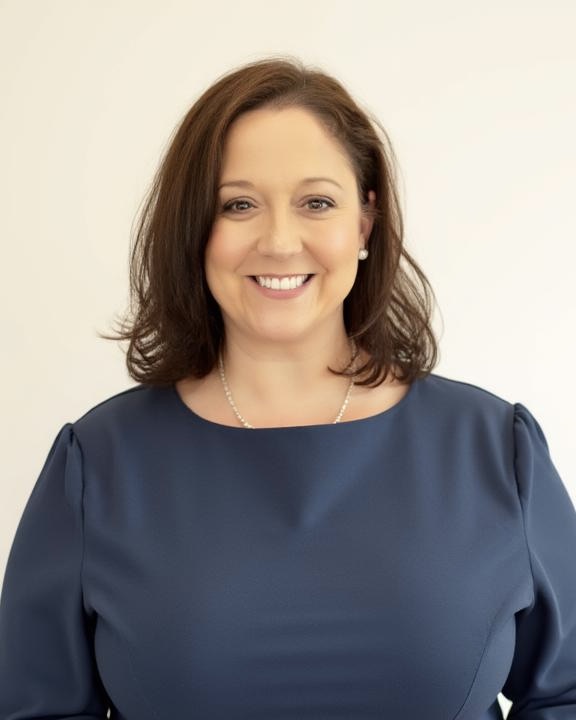
Shannon Flowers, Ph.D., serves as a Work-Based Learning Coordinator for the Darlington County School District, where she works to bridge education and the local workforce. She is deeply passionate about creating opportunities for students, strengthening communities through education and workforce development, and is guided by a strong commitment to faith, family, and Taylor Swift.