I was seven months pregnant and probably pushing myself too hard.
It was a science competition, and my seventh graders picked their own events—not the ones I assigned, but the ones they really wanted. Watching them dive into things they cared about, kids who didn’t always have the best grades but loved science and found something personal in it, I kept thinking one thing.
Why isn’t school like this all the time?
That question has driven almost everything I have done since.
I started teaching in Aiken County in 1990. I was clueless, and I admit that openly. I feel sorry for every student I had during those first eight years. But I was lucky in a way I didn’t fully realize then: I was surrounded by veteran teachers who already knew what we now call middle-level best practices. They had read the research, believed in it, and were putting it into practice before I even had words to describe it. Now I know what they were doing matched almost exactly the four pillars of Schools to Watch—I just didn’t know the name yet.
That connection became even clearer when I went after national board certification. The standards for a nationally board-certified middle-level teacher and the expectations of Schools to Watch aren’t exactly the same, but they share the same language. Both focus on adolescent development, rigorous and responsive teaching, and caring for the whole child. Seeing that alignment as a classroom teacher gave me something new: a framework that worked across different settings, bigger than any one school or program. It was worth giving my all to.
It was not a one-year hear-it-and-go-do-it moment. This has been a growing, learning process for me as a professional for many years.
I spent eight years as an assistant principal at Mid-Carolina Middle School before moving to Batesburg-Leesville. Near the end of that time, we applied for the Schools to Watch program but didn’t get it. The feedback pushed us to ask a tougher question than just whether we were doing good things: How do we get everyone engaged? How do we get everyone on the same page?
When I applied for the principal position at Batesburg-Leesville ten years ago, my superintendent was direct with me. The school was not where it needed to be. Different populations were underserved. There were gaps to close, and that was the job. I had done my homework on the community, and what I saw was potential. A community that wanted excellent schools for its kids. A school that could get there. I told the hiring committee I believed we could get there within my first three years. That was my vision, and I meant it.
That first year was hard. There were difficult conversations, mindset shifts that did not come easily, and painful but necessary faculty changes. What kept me grounded was a small group of teachers who came to me early and said, “Miss Clark, we want this.” Let’s figure out how to make it happen.
It is about our kids. The adults drive this process. We do the application, we do the work. But this is for and about kids. I have felt that way my entire career.
What Schools to Watch gave us, more than anything else, was intentionality. That word gets used a lot, but I mean something specific by it. I mean that our students know what they are learning and why. They know their targets. They know where they are entering and where they are supposed to wind up. They can talk about their own learning in a mature, clear way, not because we drilled it into them, but because we made it a real, weekly conversation.
We do not need to teach kids just facts and content. We need to teach them the process.
When guests come into our building, and we invite people in all the time because we want that outside perspective, what they notice is the students. Kids who can tell you where they are, where they are going, and what they need to do next. That still warms my heart after all these years.
Our school’s theme is progress over perfection. Our teachers came up with it, and it is exactly right. Kids do not have to be perfect. They have to grow. Wherever they enter, whatever level they are starting from, the question is always the same: what is your goal, and what does growth look like for you? It does not matter whether you are working toward advanced coursework or are significantly behind grade level. You set a stretch goal, you check in, and we talk honestly about why you are or are not moving forward. That is academic excellence in practice. Not a score. A trajectory.
That philosophy answers something I have wondered about since those early years in the classroom. Kindergartners cannot wait to get to school. By sixth grade, too many of them have lost it. Why do we drive the joy of learning out of kids before they are twelve? Schools to Watch, with its emphasis on developmental responsiveness and social equity, provides a framework for answering that question in practical ways every day.
I will be honest about which pillar I return to most often. A few years ago, I would have said academic excellence without hesitating, and it remains foundational. We have underestimated, and may still, what cultural change this process demands. You have to do the individual work first. You have to help every adult in the building understand their own why. Why are they at the middle level? What do they bring to this work? And then you spread and scale that outward.
If we, as individual professionals, understand our why and why we are at the middle level, what do we bring to the whole school? I truly believe a school-wide culture of belief in why we are here, and who we are here for, is what equity looks like in practice.
I am retiring this year.
I have thought a great deal about what I am leaving behind and for whom. Whoever becomes the next principal of Batesburg-Leesville Middle School is inheriting something that took a decade to build carefully. The right teachers are in the right places at the right grade levels. They are true colleagues. They do not hoard ideas or protect turf. They have open, honest conversations about curriculum, about behavior, about what individual students need. The leadership team is strong enough that it does not need to meet every week to stay aligned. The structures and processes are there.
I am leaving a notebook. It includes our Schools to Watch applications, agendas, leadership team conversations, and documentation from every cycle. If the next person chooses not to use it, that is their call, and I respect it. But it will be there because they should not have to start from scratch. They should be able to pick up what we built and take it somewhere we have not yet considered.
Whoever walks in next will get a strong school with a clear identity. I hope they build on it and make it their own.
We are a long way from a science competition where a pregnant teacher watched her students choose something they loved and thought, “Why isn’t school like this all the time?”
Thirty-six years later, I think I have finally built the solution to that question.
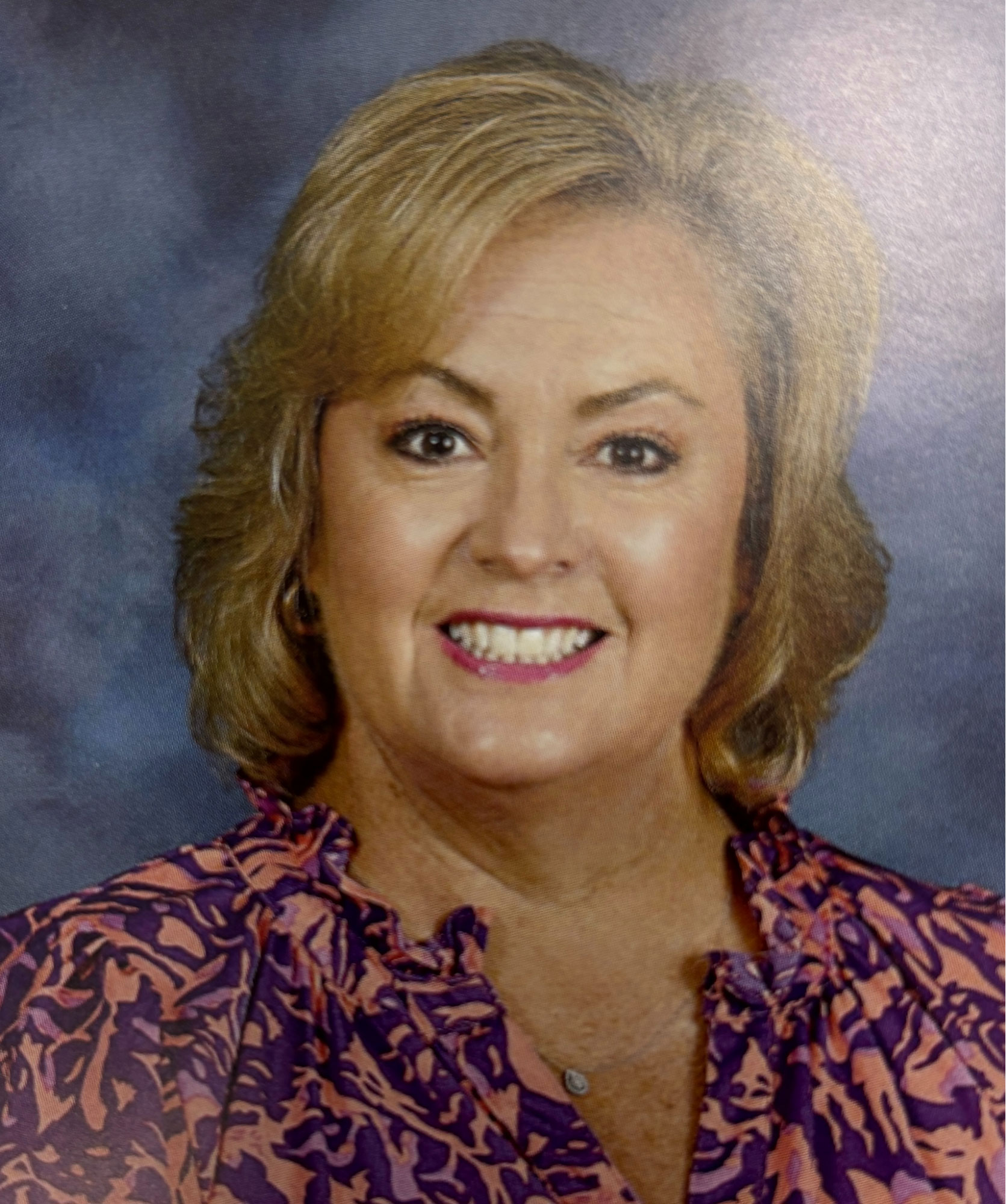
Sharah Clark is the principal of Batesburg-Leesville Middle School in Lexington/Saluda County, South Carolina. A former science teacher, nationally board-certified educator, and assistant principal at Mid-Carolina Middle School, she is retiring after a 36-year career in middle grades education. Her school holds the Schools to Watch designation through the South Carolina Middle Grades Initiative and has been redesignated twice in 2023 and 2026.