The first time we applied for Schools to Watch, we did not get it.
I started the process feeling confident about what we had built. Our culture was strong, and our teachers truly cared about the kids. Other schools in our district had already earned the designation, and we wanted to join them. We brought up the idea, decided to go for it, and got to work. Then we took a close look at the documentation.
We knew there was a lot to do. But I did not expect what we actually found.
I expected the gap to be in instruction, but it wasn’t. Our teachers were doing good work. The problem was harder to pin down at first. We were all over the place. From grade to grade and teacher to teacher, students’ experiences changed depending on the room they walked into. Learning targets looked one way in one classroom and completely different in the next. A student who had lunch detention in sixth grade faced a very different process in seventh grade. Lesson plans had no common format. Every teacher had their reasons and logic, but from the students’ perspective, moving from room to room, it didn’t add up to a clear, consistent experience.
It came to us as a clarity issue.
You walk into one classroom, and the learning targets look one way. You walk next door, and they look completely different. Same school. Same day. Same student.
We had been so focused on what was happening in each classroom that we never really considered what students experienced as they moved between classrooms. Once I saw it that way, I couldn’t unsee it.
So we submitted again. This time, we got Schools to Watch. But earning the designation was almost secondary to what the process had forced us to do: look at our own school honestly, from the outside in.
The harder work came next. I’m not saying our teachers weren’t doing great things. Professional individualism is important. Teachers should use their unique skills in the classroom. But some things have to be consistent across the school. Convincing people who have done things their own way for years, especially in a small school where there’s nowhere to hide, isn’t easy. We have one science teacher per grade, one social studies teacher, two math teachers, and two English teachers. When you sit down with a team of six and say something needs to change, every one of them is looking right at you.
What I realized through that process, more than anything else, was that I had to change how I led.
I was making decisions and then presenting them to people. I thought that was efficient. What I was actually doing was walking into rooms where I was already outnumbered. So we built a leadership team. Department chairs, team leads, guidance leaders. I gave more say to the people in our building who had been doing good work in their own lanes. And then when it came time to have a hard conversation with a grade-level team, there were already people in that room who understood why the change was coming.
I remember a specific afternoon with our sixth-grade team, when we sat down to discuss standardizing lunch detention procedures across the school. Two of the six people in that room had been part of our leadership team discussions and knew what was coming. There was still some discomfort, as there always is. But it was a different kind of discomfort. Instead of feeling like things were being done to them, we worked on it together, which changed the conversations.
I want to be clear about who our students are. We’re a Title One school in a high-poverty community. We have two feeder elementary schools, and we get what we get. Sometimes kids come in reading at a second-grade level. Families move here from other states or homeschooling, and we don’t always see the gaps until weeks later. Some of our kids bring things into school every day that have nothing to do with what’s on the board.
For a long time, we measured ourselves by what students scored. The Schools to Watch process pushed us toward something harder and more honest: measuring how much they grew.
We get kids where they are. We have to take them from there and grow them.
That shift changed every conversation in our building. Data discussions became real. Grade levels got competitive in a useful way, with each team wanting to outperform the others while also coming together to honestly ask why a student didn’t grow from one year to the next. Those were some of the most genuine conversations I’ve had as a principal. Then there’s our advisory program. We started it just before COVID because we saw our students needed something the regular school day wasn’t providing. Many of our kids come from tough home situations, and they carry those experiences with them. Advisory gave us a place to meet them there. It focuses on social-emotional skills, grade checks, and data review. It has grown every year since. This year, we added clubs. Once a month, students attend a club they chose at the beginning of the year. The clubs were determined by teachers picking something they love, and students choosing what they want to learn. Eighth graders get first pick. Not every kid gets their first choice, but every student gets to spend time on something that isn’t about standardized tests. They ask almost every single week: Is this a club week?”
I do not think we would be where we are with any of that without Schools to Watch. The process gave us a framework for thinking about the whole student, and it held us accountable to it year after year.
We just went through our first redesignation after three years of ongoing work, asking ourselves whether we’re doing well enough. What I’ve come to appreciate about the three-year cycle is how honest it makes you. Things drift. Priorities pile up. What mattered in year one can get buried under urgent issues in year two. The redesignation process brings those things back to the surface. Not because something is broken, but because you want your school to do well and keep earning what you worked for.
Our next goal is improving inclusion and co-teaching for our special education students. We have real challenges there, staffing and resources that are not easy to solve. But because of this process, our district leadership now understands the specific nature of those challenges in a way they did not before. We will get where we need to go.
I was a coach for years. And in coaching, you hear this said a hundred times:
If it were easy, everyone would do it. If winning were easy, everyone would win.
But we know that’s not how it works. This process is like that. It’s challenging and takes time. There will be uncomfortable conversations and decisions that not everyone agrees with. But in my opinion, it’s well worth it. We’ve grown a lot. We’ve improved many of our processes, procedures, and instructions. We’re not the same school we were when we first applied.
We are better. And we are still not finished.
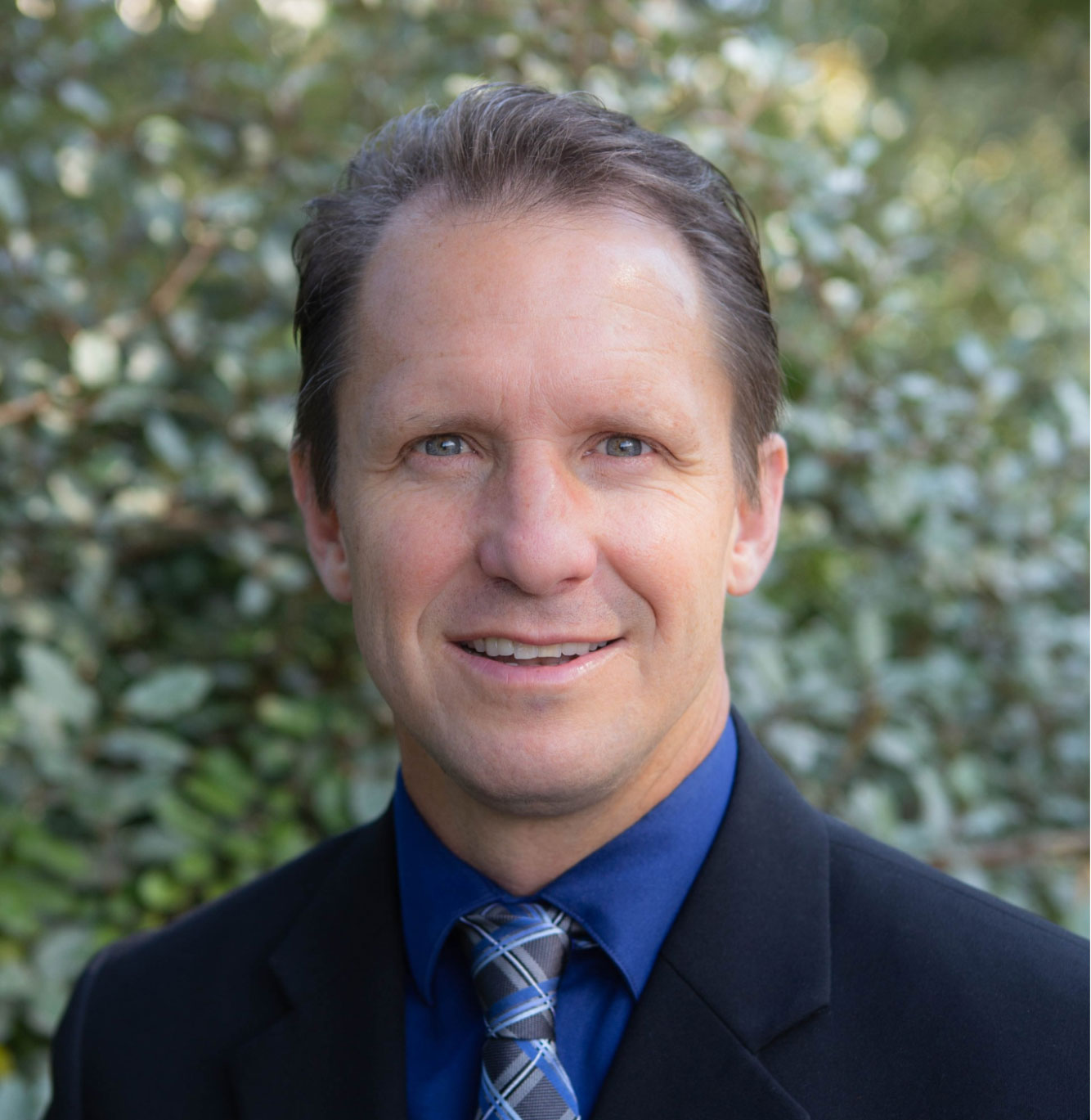
Chad Dixon serves as principal of North Central Middle School and is in his 29th year in education. He began his career as a physical education teacher and coach before moving into school leadership. He is a graduate of Winthrop University and Argosy University.