
The Case for Investing in Science Teacher Leaders
Every legislator, district leader, and funder who cares about student outcomes is looking for the same thing: the highest return on a limited dollar. We argue that investing in your teachers is where you will find the highest return. It is the teacher at the front of the room — and the most cost-effective way to raise that teacher’s quality is high-quality professional learning.
The evidence is not in dispute. Professional learning that is sustained, content-rich, hands-on, and built around real collaboration changes how teachers teach and how much students learn (Darling-Hammond et al., 2017; Desimone, 2009). The familiar alternative — the one-day workshop with no follow-up or the 1-hour workshop thrown into a workday or at the end of a long week — has been shown again and again to change almost nothing (Pianta, 2011). We already know what works. The question is whether we are willing to fund it.
A relatively small investment in high-quality professional learning can transform a good teacher into a leader who lifts an entire school, and the dollars per teacher are modest next to the impact they create.
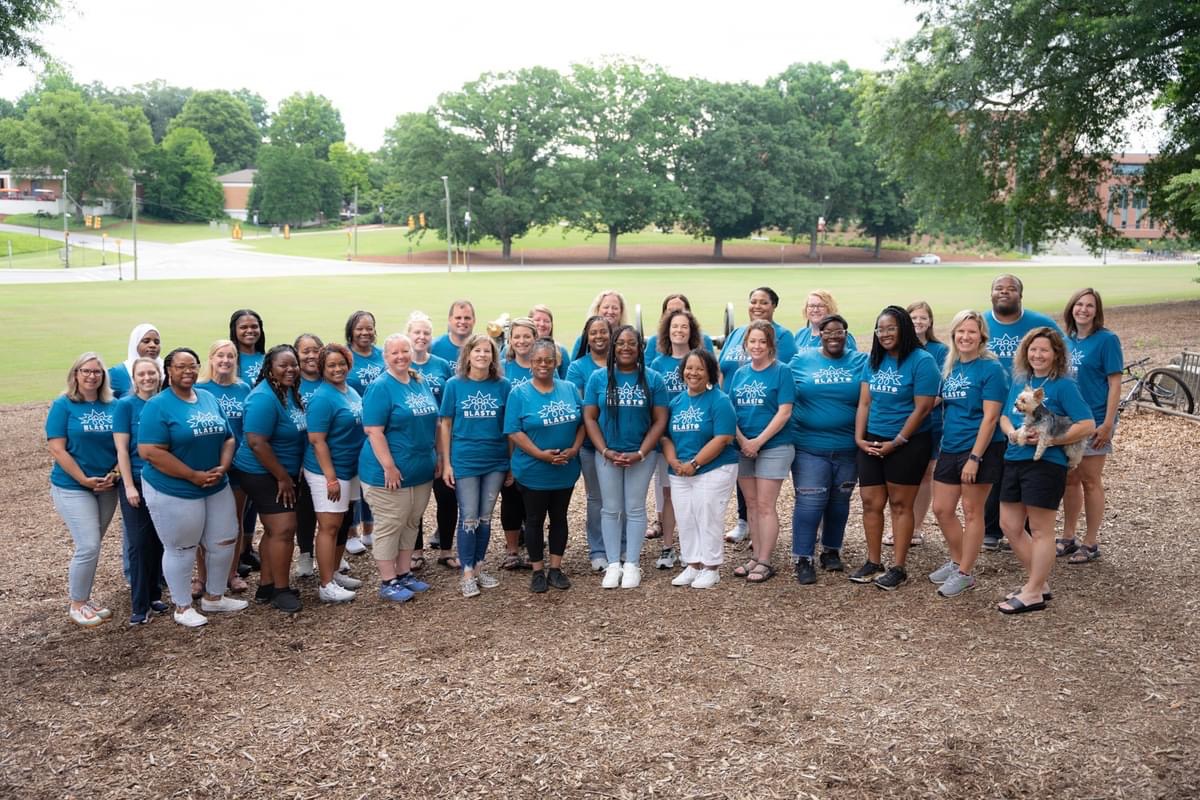
In rural South Carolina, the Building Leadership Among Science Teachers (BLAST) program is proving exactly that. Funded through the National Science Foundation’s Noyce program and led by the University of South Carolina and Clemson University’s Colleges of Education, BLAST is taking 28 strong K-8 teachers in high-needs rural districts and, over five years, developing them into science teacher leaders. The design reflects everything the research shows matters: a five-day Summer Institute grounded in rigorous, standards-aligned science; 16 tailored online learning modules over two years; monthly one-on-one coaching; multi-day leadership conferences in years 2-5; and support for attending and presenting at state and/or national conferences. Principals are brought in as partners because science reform only takes hold when school leaders understand and champion it (McNeill et al., 2022).
Twenty-eight teachers is a small number. That is the point. This is not a sweeping, expensive overhaul. It is a focused, modest investment in the right people — and the ripple is anything but small.
What our Teachers are Doing
The most persuasive argument for this kind of investment is not a research study. It is a list of names.
After just two years of the program, BLAST Master Teacher Fellows are already being recognized as leaders and pulling new resources into their schools:
- Stephanie Long was named CAP SC Wing Aerospace Teacher of the Year.
- Katie Shaw earned FSI Teacher of the Week and 2026 Newberry Middle School Teacher of the Year — and won a $5,000 grant to modernize her school’s science lab.
- Shaunta Harris was named Laurens Elementary Teacher of the Year for 2025-2026.
- Daniel Wicker secured a $5,000 Burns & McDonnell STEM grant for his school.
- Tonya Fowler earned the 2025-2026 SC State Championship First Lego League Coach/Mentor Award.
- Chastity North was named Teacher of the Month and invited to present to her school board and lead a session at her district’s professional development day.
- Jessica Rickborn was named Dorchester 4 Teacher of the Year for 2025-2026.
- Dorrell Benjamin was named Florence 1 Teacher of the Year for 2025-2026.
- Amy Petty was named Union County Teacher of the Year for 2025-2026.
Read that list as one story. In two years, these teachers collectively earned multiple Teacher of the Year honors, regional and state recognition, invitations to lead at the board and district level, and at least $10,000 in new grant funding — money flowing directly into lab equipment and STEM resources for students who have the least.
In two years, a single cohort of supported teachers brought home a stack of Teacher of the Year awards and more than $10,000 in new grants for high-needs schools; that is what high-quality professional learning buys.
These are not happy accidents. They are precisely the outcomes the program was built to produce. Give a strong teacher sustained, content-rich, leadership-focused support, and that teacher starts to lead — mentoring colleagues, winning grants, coaching championship teams, and reshaping science instruction across an entire building.
Why this matters most where resources are thinnest
This is happening where it counts. The National Academies have documented deep disparities in the quality and quantity of science education available in rural communities (NASEM, 2021). Rural schools are surrounded by the natural world that brings science to life, yet their teachers have historically had the fewest opportunities to grow (Showalter et al., 2019). BLAST’s partner districts serve communities where most students live in poverty, and many are students of color (SCDE, 2021).
In these schools, a single well-supported teacher is a force multiplier. When a fellow wins a grant for lab equipment, takes a robotics team to a state championship, or steadies a struggling colleague, the benefit lands on the students who need it most.
The fastest way to close the rural science opportunity gap is not a new building or a new mandate; it is investing in the teachers already standing in those classrooms.
How can we help
To legislators: we need you to fund and expand programs that deliver sustained, high-quality professional learning for science teachers, especially in rural and high-needs districts. We need you to invest in teachers so our students can grow.
To district leaders: protect the time, coaching, and leadership opportunities that let your best teachers grow and lead. Provide opportunities for them to learn what they need to be more effective and then provide the support they need to implement the changes they learn about.
To funders: there are few investments in education with a clearer, faster, more visible return. Invest in our educators.
The cost is modest. The return — better instruction, teachers who stay, new resources in classrooms, and students who finally get the science education they deserve — is enormous. The teachers of BLAST have already shown what is possible. The only remaining question is whether we will continue investing in them.
NOTE: This material is based upon work supported by the National Science Foundation under Grant No 2243496 and 2550870. Any opinions, findings, and conclusions or recommendations expressed in this material are those of the author(s) and do not necessarily reflect the views of the National Science Foundation.
References
Darling-Hammond, L., Hyler, M. E., & Gardner, M. (2017). Effective teacher professional development. Learning Policy Institute. https://learningpolicyinstitute.org/product/effective-teacher-professional-development-report
Desimone, L. M. (2009). Improving impact studies of teachers’ professional development: Toward better conceptualizations and measures. Educational Researcher, 38(3), 181–199. https://doi.org/10.3102/0013189X08331140
Garet, M. S., Porter, A. C., Desimone, L., Birman, B. F., & Yoon, K. S. (2001). What makes professional development effective? Results from a national sample of teachers. American Educational Research Journal, 38(4), 915–945. https://doi.org/10.3102/00028312038004915
McNeill, K. L., Lowenhaupt, R., Cherbow, K., & Lowell, B. R. (2022). Professional development to support principals’ vision of science instruction: Building from their prior experiences to support the science practices. Journal of Research in Science Teaching, 59(1), 3–29. https://doi.org/10.1002/tea.21717
National Academies of Sciences, Engineering, and Medicine. (2021). Call to action for science education: Building opportunity for the future. The National Academies Press. https://doi.org/10.17226/26152
Pianta, R. C. (2011). Teaching children well: New evidence-based approaches to teacher professional development and training. Center for American Progress. https://www.americanprogress.org/article/teaching-children-well/
South Carolina Department of Education [SCDE]. (2021). Active student headcounts: 2020-21 [Data set]. Retrieved from https://ed.sc.gov/data/other/student-counts/active-student-headcounts/
Showalter, D., Hartman, S. L., Johnson, J., & Klein, B. (2019). Why rural matters 2018–2019: The time is now. Rural School and Community Trust. https://files.eric.ed.gov/fulltext/ED604580.pdf
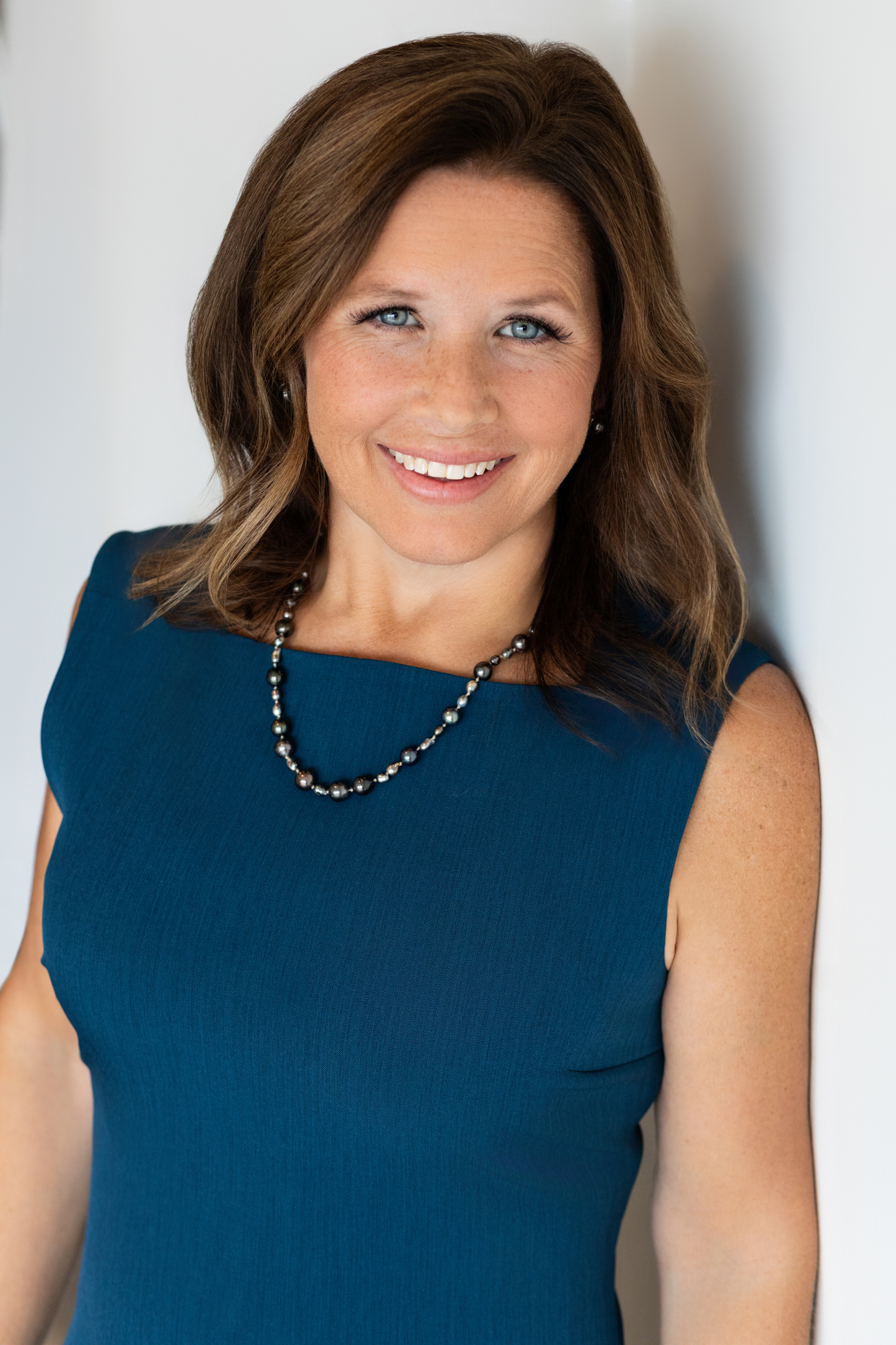
Brooke A. Whitworth (bwhit@sc.edu) (ORCID: 0000-0002-3944-291X) is a Professor at the University of South Carolina, Columbia, SC, in the Department of Teacher Education. She has delivered over 1,400 hours of professional learning and development around the country to thousands of educators. Brooke’s current research investigates the role of district science coordinators and science teacher leaders, how they support teacher change and retention, and work to increase student achievement. As a result of her work, she has developed a broad understanding of the research on teacher change, leadership, professional development, and district effectiveness.


Reading: A Skill or an Art Form?
I’ll get right to it. Our school system treats reading as a hierarchy of intelligence, a skill for the future self to succeed in life. I think we are focusing too heavily on the skill of reading and missing what reading is really about: a deeper connection to the world and to ourselves, and how to build a world worth living in. If you teach middle school, you might be nodding along. It isn’t just my opinion. By middle school, intrinsic motivation to read has declined for many of our kids, and it’s heartbreaking.
I’ll spare you the torturous journey a single mother takes to get her two middle-school boys, Logan in sixth grade and Pierce in fifth, to bed on time. Most nights, exhausted from waking at 4:45 a.m. and teaching fifth grade all day, I bring out more colorful adjectives than my best self. It usually ends with me wondering how I got to a point in life where my dog listens better than my own children. Heavy sigh.
Fast-forward. Teeth are brushed (yes, my middle school boys still require reminders of routine most nights), and the boys are cuddled into my bed, where they still prefer to read. I have yelled at one to stop putting their toes under the other’s legs, and now we are finally settled. The funny thing about parenting middle schoolers is that the journey to do the thing, in this case, reading together, seems like a fight almost every night. However, once we begin, the magic takes over again, and I remind myself it was worth it.
We are reading a book I highly recommend, The Remarkable Journey of Coyote Sunrise by Dan Gemeinhart. We come to the part where Coyote (our main character) is battling with her feelings of losing her mother and sisters earlier that year in a car crash. She is unsure how to bridge the subject with her Dad, but she knows that if she doesn’t soon, her emotions will eat away at her soul.
My youngest son, Pierce, snickers, “Mom, are you crying again?”
Logan interjects, “Mom, you know this isn’t real. You don’t have to cry every time we read.” I struggle to hold back ugly tears. “I can’t help it. Can you imagine how she’s feeling? She is dealing with so much and can’t even talk to anyone. It’s unfair to be strong for your parents, don’t you think?”
Logan, “Yeah, that Dad is selfish. He’s acting like a child.”
I add, “I don’t know. I think grief hits people differently. I don’t know if that’s fair to say. He obviously still loves his daughter. He just isn’t ready to face his sadness. Maybe he’s afraid he won’t be able to be present once he faces his feelings?”
Pierce, “This story makes me miss Daddy.”
Logan, “I barely remember Dad. I remember how he smells. Like diesel fuel.”
Pierce, “I remember him playing music really loud in the car. Countryyy music.”
Now laughing, I admit, “You know, I avoided washing his shirts for so long to hug that diesel fuel smell. Whenever I wear one of his T-shirts, I still try to see if I can smell it. And every time you sing a country song, you remind me of Daddy, Pierce.”
Logan, “Hopefully, Dad sang better.”
Ignoring the typical older brother jab, Pierce somehow brings our conversation back to the book we are reading: “Can we go on a road trip like them and do Drop Everything and Drive Dreams?”
I think of the book and how the Daughter and Father, despite their grief, find solace in each other by chasing these small dreams, places, and goals they hit along the road. I smile.
Logan pipes in, using the acronym from the book, “My D.E.A.D. dream is to go to a McDonald’s in every state.”
Pierce, “I gotta think of what I want. Maybe to visit a rollercoaster.”
“You know what mine will be. We hike or do yoga together in every state without hearing anyone complain,” I daydream, actively tuning out their heavy sighs of disgust at my suggestion. I add, “I think this is an awesome idea. Let’s start planning it for next summer. See all the states. I love it.”
Pierce, “Fine, let’s finish this chapter. I’ll read so you won’t slow us down with all the crying.”
I reply, “Ha! Thanks. Logan, you want to read a little?”
Logan, “Heck, no. I did enough reading in school. My brain can’t take it.”
As I remember this conversation, it dawns on me how commonplace this one night is for us. This is not a reading skill; the benefits would be hard to measure. Yet no one could deny that this is reading as an art, an act of sharing creativity, emotions, and experiences. It is my two boys witnessing the vulnerable side of their mother, crying because these characters gave us a safe catalyst to feel deeply without threatening their sense of security. Our bedtime routine has matured with us, shifting the balance from mother and child onto an even playing field: three humans navigating what it is like to be human, together. I don’t think my boys know what a treasure this practice has given us, but I do. So how can anything that demands such emotion and connection be anything but art?
What happens during our bedtime routine also happens, in a different way, on the classroom rug each day. At school, my fifth-grade class’s read-aloud practice has sparked deep conversations that foster connections, just as in my family. As a teacher, I often find it the most joyful time of my day, yet it is one of the few parts of the day that aren’t tested or included in our curriculum’s master schedule. Despite these obstacles, I continue this practice because I believe it is helping my students as art often does, through the heart and soul.
Discussions ranging from family origin stories and feelings about divorce to children sharing strong opinions about the environment or debating whether the Earth could be flat are just a few examples of the conversations I have facilitated during shared reading. All to say, I genuinely believe that our classroom’s read-aloud (our form of shared reading) fosters a sense of school family by allowing thoughtful, safe, and vulnerable conversations to come to life on an eight-by-six square rug covered in flowers.
This emphasis on “teaching” children how to read is subliminally pressuring our teaching practice into a checklist task, rather than an enjoyable, critical activity. So I invite you to see literacy instead as an art form.
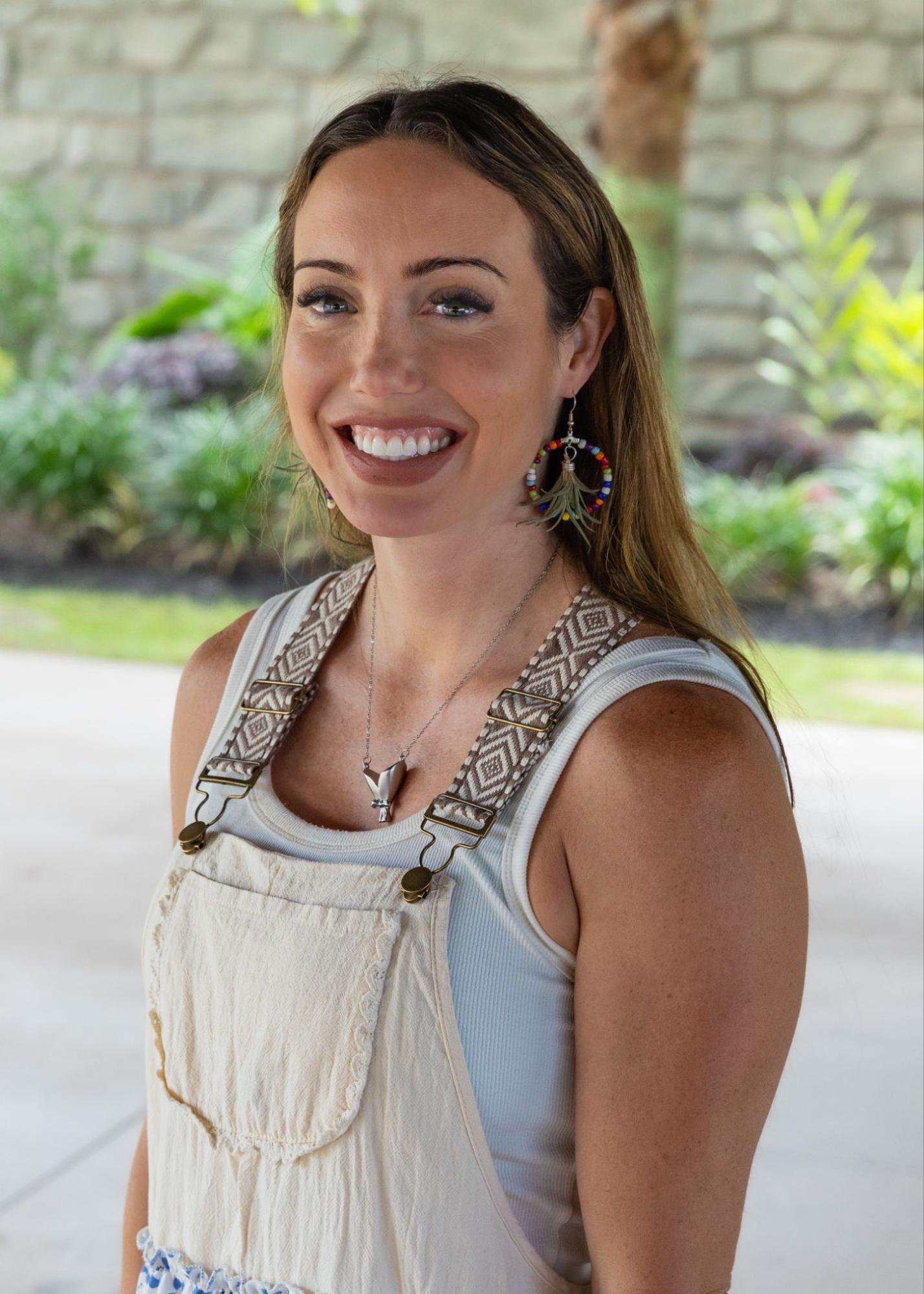
Dr. Kelly Rorvik is a fifth-grade teacher working in Greenville County Schools. Before teaching in South Carolina, she taught in Pennsylvania for over ten years. When she is not teaching, she is hiking with her dogs or watching her sons play football.
Protect Your Yeses: How a Young Teacher Stopped Filling His Plate
As an English teacher, part of my job is to teach students how to identify and analyze tropes, recurring characters, plot twists, or themes in literature. How ironic, then, that I have inadvertently become the “Martyr Teacher” trope myself?
In my first few years in the classroom, my enthusiasm served me extremely well. My students were engaged in lively, analytical conversations about classroom texts; they discussed our whole-class novel at lunch and often griped when it was time to pack up for the day. Scores were high; spirits were higher.
I felt capable. I was effective and efficient. As a new teacher, I was eager to keep demonstrating that to my administration and to myself, proving that I had not sold myself short by becoming a teacher when everyone told me I could do so much more.
That eagerness drew attention. Once my competence was established, the recruitment began. First, a simple request to coach the basketball team. Then, an invitation to serve on a grant steering committee. The invitations, requests, and appointments continued. With each one, I struggled to make it fit on my single-page resume. I knew I was overcommitted, but this is what teachers do for the kids, right? We do what is best for our students, always. I was overwhelmed, but still, I agreed and accepted. When asked about my role at my school, my first inclination was to list my many responsibilities: Track Coach, Basketball Coach, ABC Steering Committee Member, Curriculum Writer, and Assistant Athletic Director, just to name a few.
What was missing from this list? My true purpose as a teacher: Educator and Role Model. My experience is not unique, but my realization is not universal. Every year, eager teachers enter the classroom, and the system leans on their vibrant resolve until it wears thin. New teachers feel honored and respected when asked to fill a particular role, and they almost always say yes, regardless of the burdens they already carry. They fill their plate with roles and responsibilities while their true purpose gets buried. This is the trope I have fallen victim to.
For three years, I worked hard to earn my administration’s approval. Along the way, I found a clearer sense of what guides me: my students and my own purpose. When I know I am giving them my best, I feel grounded and at peace.
So, in a profession where we are constantly reminded to “remember our why,” I am taking it back. Yes, my students are my “why.” Their success, growth, and development are the only reasons that I am a teacher. My “why” dictates that I dedicate my professional time and energy to my classroom rather than to the athletic court or conference room. To keep doing this, though, I had to reclaim my identity beyond the school building. I have to protect my identity as a person so I can continue to serve my students as a teacher.
As a profession, we must stop overburdening our most enthusiastic, passionate, and dynamic young teachers. Otherwise, they may find that they, too, succumb to the same martyrdom, eventually becoming another statistic in the teacher burnout crisis. Instead, it is time to help young teachers find their place in the classroom. We should nurture their strengths and equip them to establish strong roots where they are most successful. They should be mentored and supported, not stretched thin until there is nothing left.
As young teachers, it is important to remember who we are on a personal level. The complexity and emotional demands of education are unavoidable, but we must preserve our own humanity as well. After all, good teachers are those who have the capacity to show up physically, intellectually, and emotionally every day. Preserving our humanity begins with learning where to draw the line. Saying “no” to extra requests and responsibilities is exactly what allows us to keep saying “yes” to our classrooms.
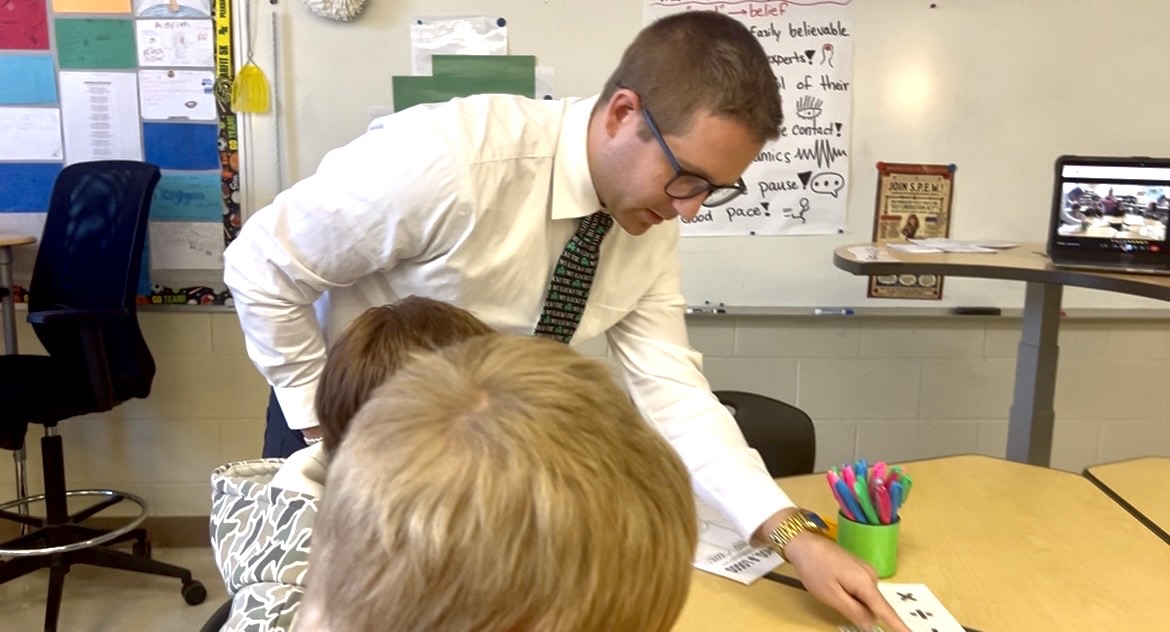
Jay Swanson is a 6th-grade ELA teacher, currently entering his fourth year of teaching. He is committed to making literature and writing accessible and engaging for all learning styles. Jay holds a degree from the University of South Carolina Honors College, is an avid Gamecocks fan, and enjoys spending his free time traveling.
Beyond Sit-and-Get: The Power of Intentional Professional Learning
I, like most educators, have attended my fair share of “sit and get professional development” that, although it had good intentions from the presenter, left me feeling overwhelmed, tired, and unsure of next steps to translate new ideas into practice. Then, one day I attended a professional learning workshop that shifted the narrative on professional development for me.
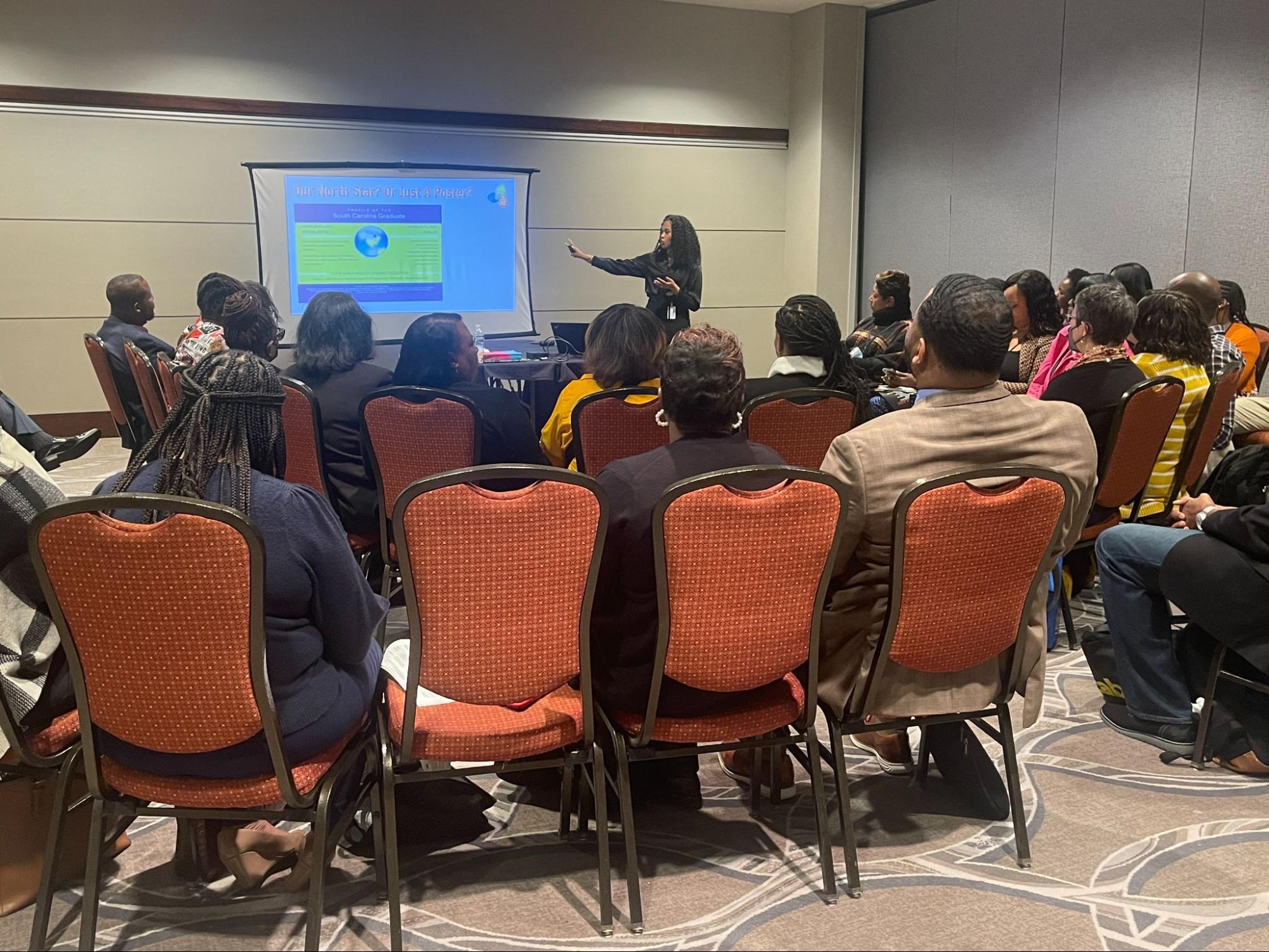
This workshop was intended as a stakeholder group working toward creating the Profile of the SC Graduate Competencies, a set of skills that would help students to truly be prepared for life and work outside of high school. Our presenter made the environment truly learner-centered, beginning our time with a relevant question that challenged us to think differently about student learning and outcomes. We engaged in conversational activities that allowed us to build consensus, share experiences, and gain new insight and information. Rather than feeling drained, I remember leaving each session hopeful and excited about the work ahead and the positive impact it would have on student learning. I could tell that this was due to the thought and intention that went into the experience design.
When I transitioned from the classroom to a state-level coaching role with the South Carolina Department of Education, I always kept that experience in mind, taking a learner-centered approach to designing PD. It is my belief that learning should be engaging and leave people feeling informed and inspired, something that a “sit and get” session rarely does. One of the core pieces of my coaching role was curating learning experiences for adult learners to shift instructional practice and ultimately benefit students. I will never forget a quote that one of my teammates would frequently share with leaders: “What do we want teachers to do with students that we are not doing with teachers at the leader-adult learner level?” Broken down, this question was meant to challenge leaders and coaches to take a learner-centered approach with educators, understanding that modeling this approach can lay the groundwork for classroom practices.
I saw that come together most clearly in a cohort we called Launch. These were teachers who wanted to bring student-centered learning and durable skills into their classrooms, and some walked in guarded, having sat through enough weak PD to expect another long slideshow. Designing that cohort taught me what intentional professional learning asks of us, and the components below are the ones I came back to again and again.
Within the various cohorts and PDs that I had the opportunity to design and facilitate, there are a few key components rooted in Adult Learning Theory that I believe can make professional learning relevant and impactful:
- Leading design with curiosity and teacher voice: Professional learning experiences curated with curiosity and teacher input in mind are often more impactful than without. Questions to consider could include: “What do teachers need support with? How can this be captured through a needs assessment?”
- Starting PD with connection & intention setting: Another favorite quote of mine is that people don’t care how much you know until they know how much you care. Beginning learning time with a moment to reflect, share, or learn what’s going on in others’ worlds can help participants connect beyond work and shift into a space ready to take on the day of learning.
- Varied learning experiences built into the day: We all learn and gain information through more than just sitting and listening to an hour-long presentation. Offering multiple ways to engage with new learning through articles, videos, small-group conversations, and mini-lessons helps ensure everyone’s needs are met. Getting participants up, moving, and talking also helps break up redundancy and spark energy to carry them through the PD timeframe.
- Dedicated work and feedback time: In our day-to-day work lives, there seems to be never enough time to think, plan, and strategize. Making intentional time for this, as well as thought partnership and/or coaching feedback within PD, is crucial, helping participants process and ideate next steps.
- Opportunities to reflect and make next steps: Charting out the “so what, now what” of the PD day helps translate ideas into action. Embedding meaningful coaching check-ins after the PD day provides participants with a touchpoint for the work they begin and helps them stay connected to the iterative process of implementing new practices.
In Launch, these were not ideas on a page; they were the shape of our days together. Teachers left using what they learned, troubleshooting real challenges, and turning to one another as resources long after our sessions ended.
Within my state-level work, I have had the honor of seeing how intentional professional learning transforms student learning. Even small shifts in how we support teachers can have far-reaching impact. When professional learning is relevant, responsive, and engaging, it doesn’t just improve practice; it keeps the joy of teaching and learning alive.
Keri F. Beach is a Professional Learning Coordinator in the SCDE Office of Career Readiness. A proud Orangeburg native and graduate of Winthrop University and Clemson University, she previously taught middle school math, science, and PLTW engineering and served as a state-level personalized learning coach. In her current role with the SCDE Office of Career Readiness, she supports new CTE Administrators and designs learning experiences that bring stakeholders together to strengthen opportunities for students. Keri is passionate about helping people connect and engage in meaningful ways, both professionally and within her community.
The Destination, Not the Journey: Twenty-Five Years of Teaching Students That Their Questions Matter
“Mrs. Beale, it’s a boy plant!”
The boy held up his water bottle like a trophy. Inside, a pale sprout had pushed out from his clipping overnight. Months earlier, this same student had read far below grade level and wanted nothing to do with a book. Now he was a caretaker, protective of his own success. I bit my tongue to keep from laughing and told him to give the clipping fresh water and set it back carefully. He nodded, serious. “Oh yeah, I don’t want to break it.”
I taught 7th- and 8th-graders whose reading levels were far below grade level. They came to middle school with negative attitudes toward reading and apathy toward learning in general. Who could blame them? When you struggle with reading, everything in life gets harder.
My approach was functional literacy through inquiry. I had a rare gift: enormous creative freedom, no state standards to contend with, no set curriculum. So I let the students choose the topics, and together we found all the ways reading and writing fit.
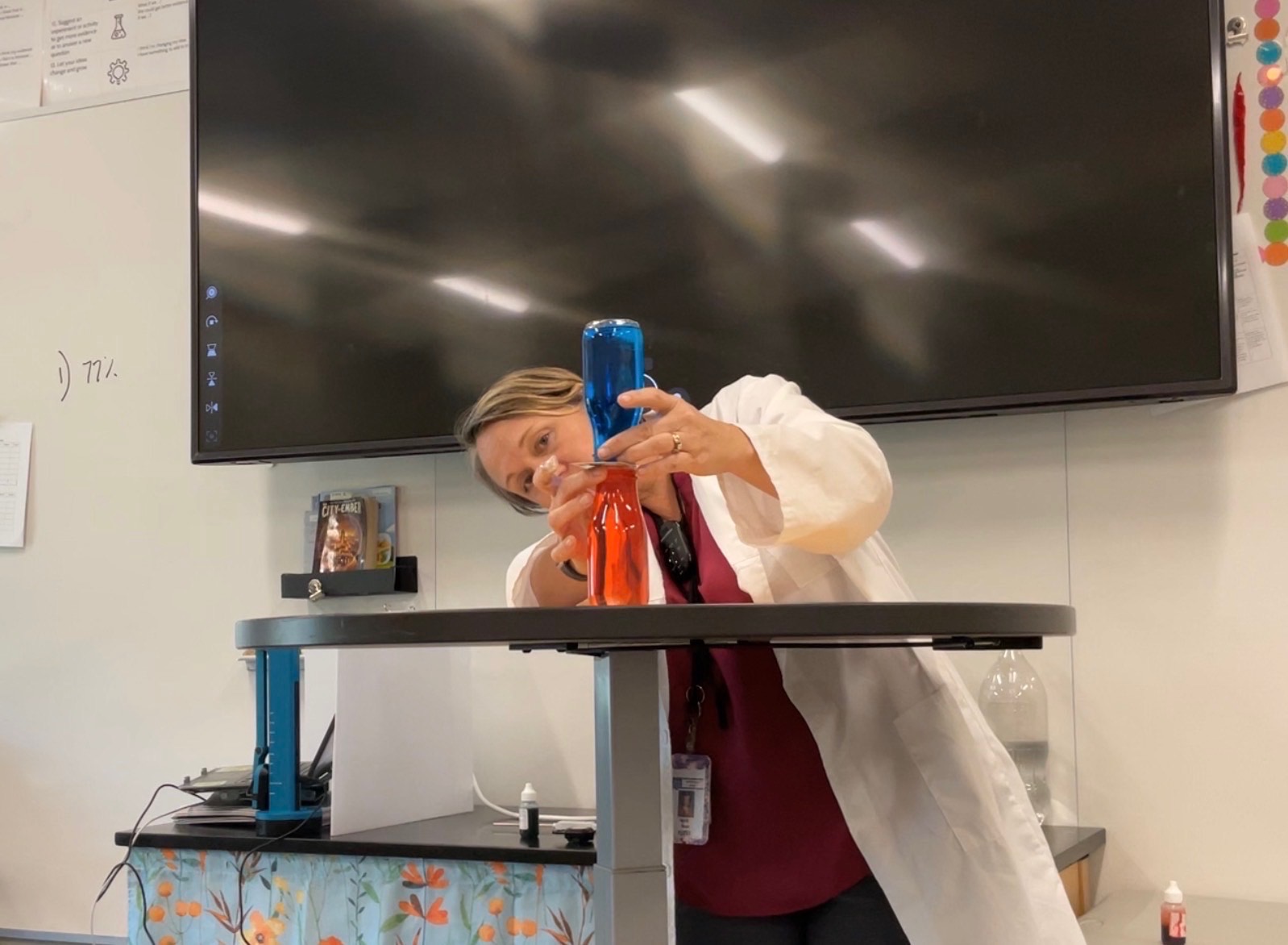
That approach changed me as much as it changed them. I was not teaching content. I was facilitating learning through student interest. I showed my students that text is a blueprint for real life. When they wanted to know how clothes were made, we read sewing patterns and stitched our own stuffed animals.
Then Damar Hamlin went into cardiac arrest on live TV. My students came in the next morning frightened and full of questions. So we turned that fear into a functional literacy unit. We read first-aid manuals, and a local EMS instructor came in and taught them CPR. Kids who avoided textbooks were memorizing compression rates because reading might not save someone.
We used reading to uncover the past, too. We researched unsung heroes and traced family histories on Ancestry.com. One girl followed her own line back and found her grandfather listed as a celebrated local hero. She read his name in a record and looked up at me like the page had handed her something. By the time we penned birthday letters to a centenarian veteran, my students had learned that reading and writing gave them the power to shape their own world.
My favorite unit was the simplest. We read about what plants need to survive and how to propagate them, and each student kept a clipping in a water bottle on the windowsill, checking every morning for signs of life. The boy with the sprout was one of those mornings.
Fast forward to today. I am a 6th-grade science teacher now, and the ground has shifted. Total freedom has been replaced by clearly defined standards, a district-mandated curriculum, and a structured pacing guide. If you teach in today’s public schools, you know this pressure intimately. It is easy to feel like a hamster in a wheel, checking off boxes instead of igniting curiosity. The curiosity is still there in the amazing questions students ask. But following the curriculum without room for responsiveness can limit their engagement.
Twenty-five years in the classroom have taught me a truth no curriculum framework can erase: standards might dictate our destination, but they do not have to dictate our journey.
Even inside a strict science pacing guide, student inquiry can still drive the learning. When we begin a mandatory unit not with a textbook lecture but by letting students form their own messy, curious questions about the natural world, the energy in the room shifts. Give them a voice in what they want to know and a choice in how they gather data, and real learning happens. They aren’t memorizing facts for a quiz. They are mastering the standards through real-world application. When students investigate their own lines of inquiry, their achievement climbs, which proves that freedom and choice aren’t about rebelling against the curriculum. They are about bringing it to life.
To my fellow educators staring down daunting pacing guides and unpacking standards, I offer a gentle challenge: look for opportunities within the curriculum to be innovative. Find the quiet moments, move beyond the script when appropriate, and lean into the real questions your students are asking. When we trust their curiosity and hand them the autonomy to voice their own wonder, we do far more than help them meet a standard. We show them that their minds have the power to shape the world.
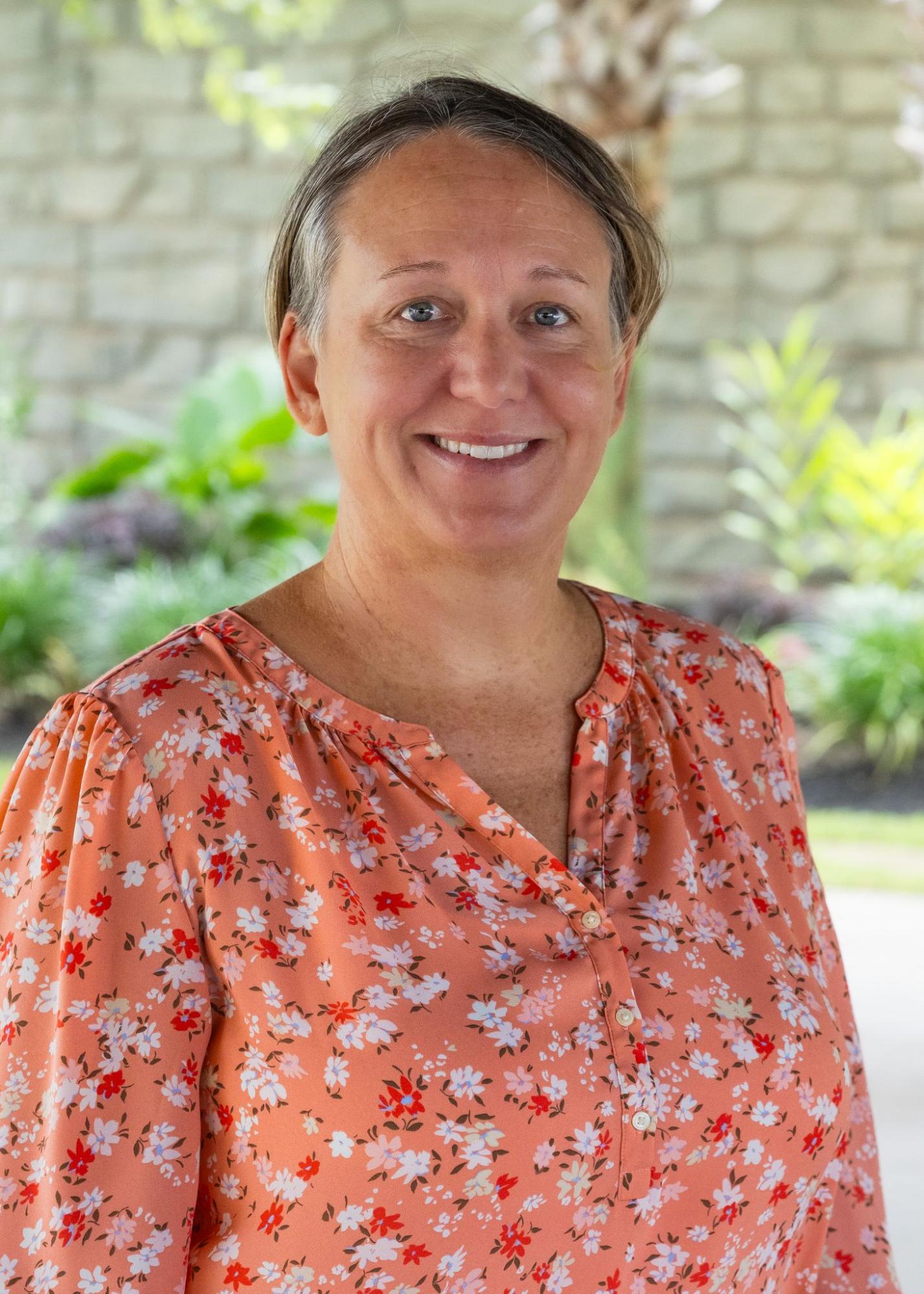
April has spent 25 years in public education cultivating lifelong curiosity in her middle-level students. Currently teaching sixth-grade science, she is a passionate advocate for student-centered learning. Her ultimate message to fellow educators is simple: do not wait for permission to be innovative. Empower your students’ voices, inspire their minds, and protect their wonder.
The Healthiest Schools Are Built on Relationships
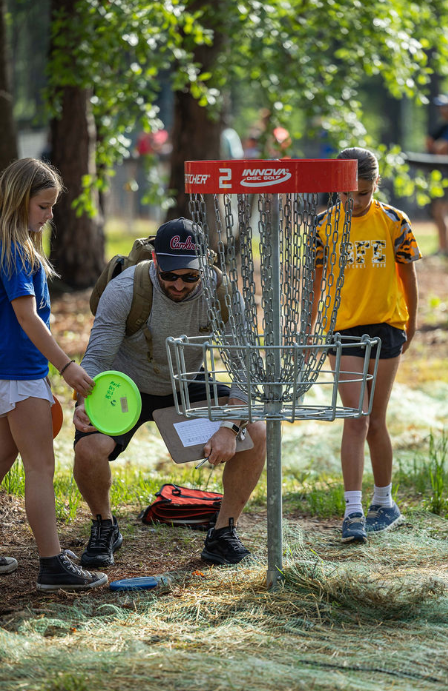
From my earliest memories of school, I always longed for those brief moments when I could move around. Whether it was playing a new game in my physical education class or breathing in fresh air during recess, I felt connected to movement and play. It’s not that I didn’t enjoy learning; in fact, it was quite the opposite. While some of those early learning environments may have been designed to reduce noise and distractions, they also adversely affected opportunities for deeper connection and discovery. I remember a teacher in those early grades who tied our recess and outdoor free time to classroom behavior inside. If we were unfortunate enough to have disrupted class enough times, the consequence was losing that valuable outside play time. Even in those early years, there seemed to be something off about taking time away from physical activity. Don’t kids need to move every day? Don’t teachers need to move to stay healthy?
For those who work in education, the demands of the profession and the complexities of the systems at play can detract from the simple truths that shape our daily experiences. We have overwhelming evidence that healthier children are better learners, and that movement doesn’t detract from learning; it enhances it. We also know that schools that design healthier systems and supports for staff feel more connected and foster a shared ownership of creating a positive school culture.
For over a decade, I have worked to improve school environments across South Carolina. As a physical educator, I worked relentlessly to show up in ways that were impactful for my school communities. Whether it was before- or after-school programming, leading staff wellness initiatives, mentorship, or engaging families in play, I wanted the physical literacy I was promoting in my classroom to thrive beyond the gymnasium doors. While I was proud of the projects and their impact, creating and administering multiple school wellness initiatives took a toll on me, both physically and emotionally.
After completing my Master’s in Public Health at the University of South Carolina in 2021, I was offered the opportunity to apply my field experience in a position with the national nonprofit Alliance for a Healthier Generation. This position was funded by the BlueCross BlueShield South Carolina Foundation and involved recruiting and supporting districts in participating in a statewide school health and wellness initiative called Diabetes Free SC. Our aim was to provide programmatic support and technical assistance to districts and schools as they worked through a continuous-improvement lens to create policies, systems, and environmental changes that ultimately help reduce the risk of chronic disease.
In the nearly five years since my initiation into statewide work, I have encountered a myriad of challenges, opportunities, threats, and possibilities that make up what school and district wellness can look like. However, one theme that might be most relevant to all schools and settings, regardless of their level of readiness to engage, is this: sometimes the greatest intervention is a relationship. The constraints districts and schools face are complex and difficult, and the risk that any change will be labeled “one extra thing” is real, even for something as intuitive as health and wellness. That is why it is so essential to build a community of practice, so that collective impact can be shared, celebrated, and enhanced. That is what separates achieving compliance from building culture: narratives surrounding healthier school environments are no longer rooted in what school is but are anchored in the hope of what schools can be.
A perfect example of the power of relationships in building healthier school systems and environments can be found in the Union County School District. When I began my work at Union for Diabetes Free SC, I worked to establish relationships with district personnel who could help me arrange professional learning and technical assistance training for school personnel on state compliance and district requirements. Relationships with school and district staff continued to grow, and with the addition of a new district wellness coordinator and new nutritional director, the district was moving beyond compliance with state/federal requirements and exploring innovative ways to partner and enhance wellness culture throughout the district through policy and systems changes. Within a year, Union had partnered with the LiveHealthy Union Coalition to include community members on its Coordinated School Health Advisory Committee and began integrating coalition funding to support district wellness goals. Currently, the district is working in tandem with the local coalition to ensure alignment between the Community Health Improvement Plan and district wellness action goals, with deep, rewarding relationships between schools and communities cementing their projects in sustainability and shared ownership.
I share the story of Union and other districts from the Diabetes Free SC School Wellness Initiative network to highlight what is possible when people, passion, and resources come together. Schools can create a sustainable model for community health, but the key is starting the journey. For far too long, our schools and community organizations have remained siloed and separated. For the sake of the health and longevity of students, staff, and families in South Carolina, we should all commit to building bridges to new connections and champions who will help us create the lasting impact we want to see. If not us, who? If not now, when?
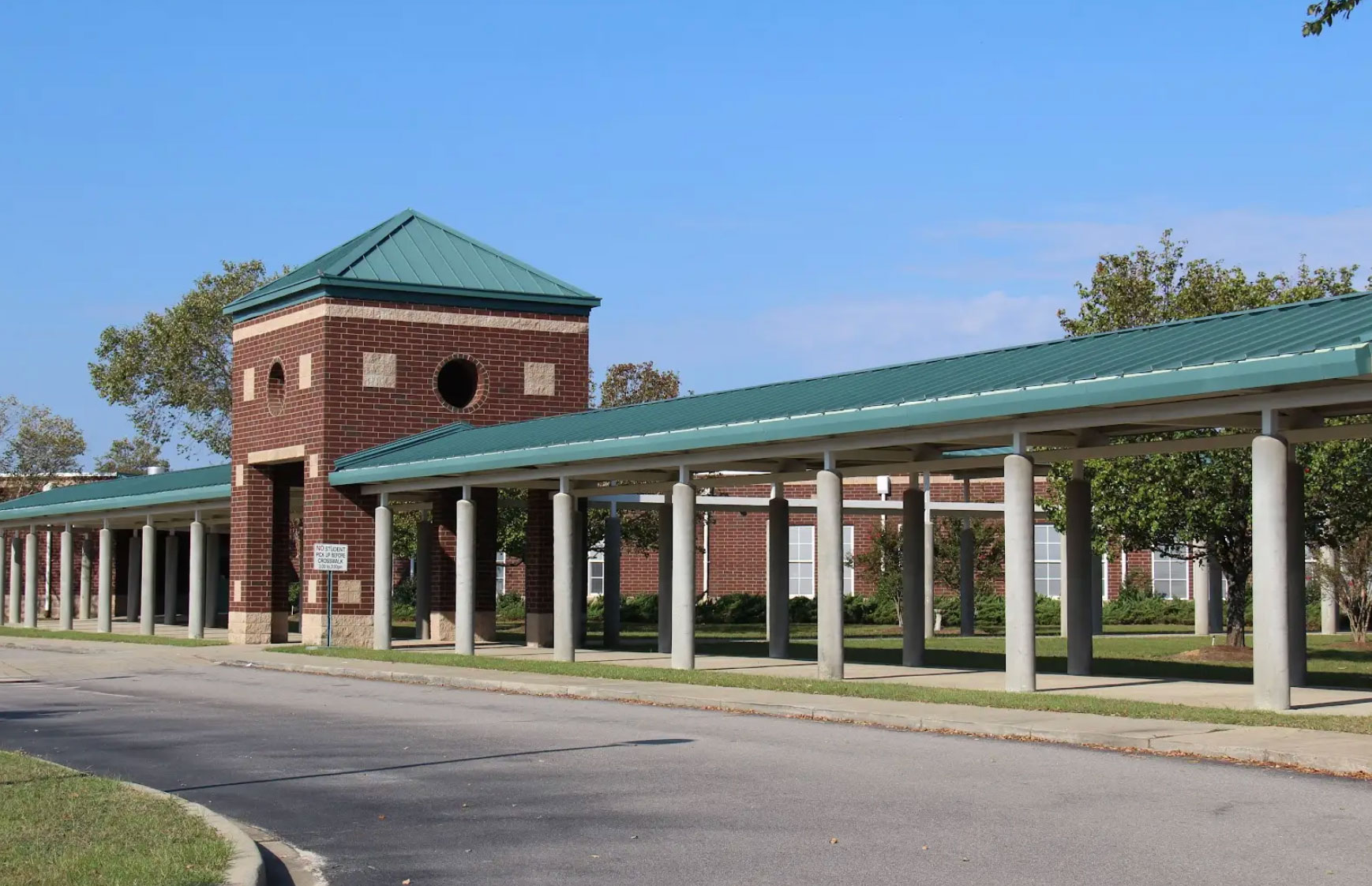
Why Isn’t School Like This All the Time?
I was seven months pregnant and probably pushing myself too hard.
It was a science competition, and my seventh graders picked their own events—not the ones I assigned, but the ones they really wanted. Watching them dive into things they cared about, kids who didn’t always have the best grades but loved science and found something personal in it, I kept thinking one thing.
Why isn’t school like this all the time?
That question has driven almost everything I have done since.
I started teaching in Aiken County in 1990. I was clueless, and I admit that openly. I feel sorry for every student I had during those first eight years. But I was lucky in a way I didn’t fully realize then: I was surrounded by veteran teachers who already knew what we now call middle-level best practices. They had read the research, believed in it, and were putting it into practice before I even had words to describe it. Now I know what they were doing matched almost exactly the four pillars of Schools to Watch—I just didn’t know the name yet.
That connection became even clearer when I went after national board certification. The standards for a nationally board-certified middle-level teacher and the expectations of Schools to Watch aren’t exactly the same, but they share the same language. Both focus on adolescent development, rigorous and responsive teaching, and caring for the whole child. Seeing that alignment as a classroom teacher gave me something new: a framework that worked across different settings, bigger than any one school or program. It was worth giving my all to.
It was not a one-year hear-it-and-go-do-it moment. This has been a growing, learning process for me as a professional for many years.
I spent eight years as an assistant principal at Mid-Carolina Middle School before moving to Batesburg-Leesville. Near the end of that time, we applied for the Schools to Watch program but didn’t get it. The feedback pushed us to ask a tougher question than just whether we were doing good things: How do we get everyone engaged? How do we get everyone on the same page?
When I applied for the principal position at Batesburg-Leesville ten years ago, my superintendent was direct with me. The school was not where it needed to be. Different populations were underserved. There were gaps to close, and that was the job. I had done my homework on the community, and what I saw was potential. A community that wanted excellent schools for its kids. A school that could get there. I told the hiring committee I believed we could get there within my first three years. That was my vision, and I meant it.
That first year was hard. There were difficult conversations, mindset shifts that did not come easily, and painful but necessary faculty changes. What kept me grounded was a small group of teachers who came to me early and said, “Miss Clark, we want this.” Let’s figure out how to make it happen.
It is about our kids. The adults drive this process. We do the application, we do the work. But this is for and about kids. I have felt that way my entire career.
What Schools to Watch gave us, more than anything else, was intentionality. That word gets used a lot, but I mean something specific by it. I mean that our students know what they are learning and why. They know their targets. They know where they are entering and where they are supposed to wind up. They can talk about their own learning in a mature, clear way, not because we drilled it into them, but because we made it a real, weekly conversation.
We do not need to teach kids just facts and content. We need to teach them the process.
When guests come into our building, and we invite people in all the time because we want that outside perspective, what they notice is the students. Kids who can tell you where they are, where they are going, and what they need to do next. That still warms my heart after all these years.
Our school’s theme is progress over perfection. Our teachers came up with it, and it is exactly right. Kids do not have to be perfect. They have to grow. Wherever they enter, whatever level they are starting from, the question is always the same: what is your goal, and what does growth look like for you? It does not matter whether you are working toward advanced coursework or are significantly behind grade level. You set a stretch goal, you check in, and we talk honestly about why you are or are not moving forward. That is academic excellence in practice. Not a score. A trajectory.
That philosophy answers something I have wondered about since those early years in the classroom. Kindergartners cannot wait to get to school. By sixth grade, too many of them have lost it. Why do we drive the joy of learning out of kids before they are twelve? Schools to Watch, with its emphasis on developmental responsiveness and social equity, provides a framework for answering that question in practical ways every day.
I will be honest about which pillar I return to most often. A few years ago, I would have said academic excellence without hesitating, and it remains foundational. We have underestimated, and may still, what cultural change this process demands. You have to do the individual work first. You have to help every adult in the building understand their own why. Why are they at the middle level? What do they bring to this work? And then you spread and scale that outward.
If we, as individual professionals, understand our why and why we are at the middle level, what do we bring to the whole school? I truly believe a school-wide culture of belief in why we are here, and who we are here for, is what equity looks like in practice.
I am retiring this year.
I have thought a great deal about what I am leaving behind and for whom. Whoever becomes the next principal of Batesburg-Leesville Middle School is inheriting something that took a decade to build carefully. The right teachers are in the right places at the right grade levels. They are true colleagues. They do not hoard ideas or protect turf. They have open, honest conversations about curriculum, about behavior, about what individual students need. The leadership team is strong enough that it does not need to meet every week to stay aligned. The structures and processes are there.
I am leaving a notebook. It includes our Schools to Watch applications, agendas, leadership team conversations, and documentation from every cycle. If the next person chooses not to use it, that is their call, and I respect it. But it will be there because they should not have to start from scratch. They should be able to pick up what we built and take it somewhere we have not yet considered.
Whoever walks in next will get a strong school with a clear identity. I hope they build on it and make it their own.
We are a long way from a science competition where a pregnant teacher watched her students choose something they loved and thought, “Why isn’t school like this all the time?”
Thirty-six years later, I think I have finally built the solution to that question.
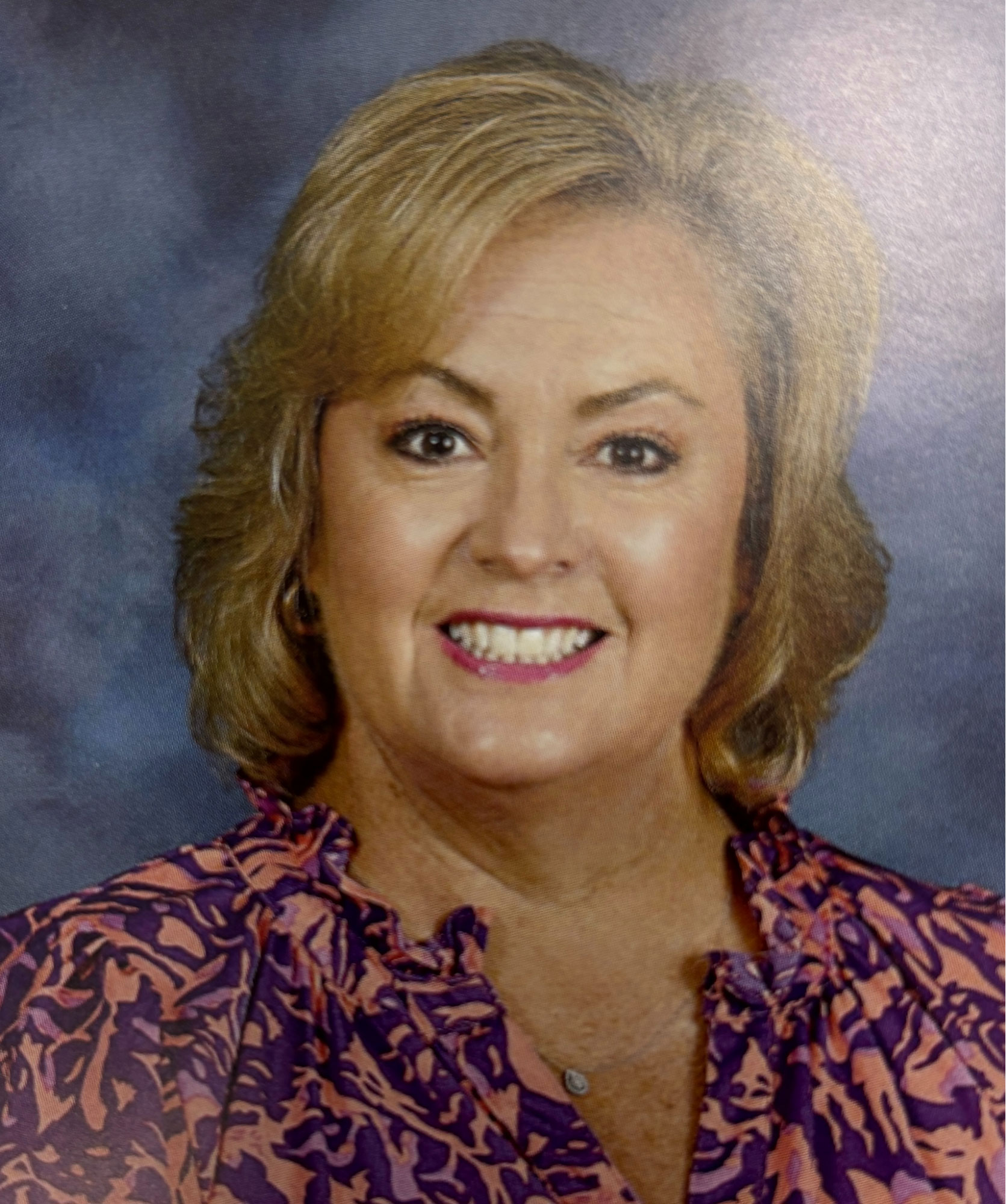
Sharah Clark is the principal of Batesburg-Leesville Middle School in Lexington/Saluda County, South Carolina. A former science teacher, nationally board-certified educator, and assistant principal at Mid-Carolina Middle School, she is retiring after a 36-year career in middle grades education. Her school holds the Schools to Watch designation through the South Carolina Middle Grades Initiative and has been redesignated twice in 2023 and 2026.
If It Were Easy, Everybody Would Do It
The first time we applied for Schools to Watch, we did not get it.
I started the process feeling confident about what we had built. Our culture was strong, and our teachers truly cared about the kids. Other schools in our district had already earned the designation, and we wanted to join them. We brought up the idea, decided to go for it, and got to work. Then we took a close look at the documentation.
We knew there was a lot to do. But I did not expect what we actually found.
I expected the gap to be in instruction, but it wasn’t. Our teachers were doing good work. The problem was harder to pin down at first. We were all over the place. From grade to grade and teacher to teacher, students’ experiences changed depending on the room they walked into. Learning targets looked one way in one classroom and completely different in the next. A student who had lunch detention in sixth grade faced a very different process in seventh grade. Lesson plans had no common format. Every teacher had their reasons and logic, but from the students’ perspective, moving from room to room, it didn’t add up to a clear, consistent experience.
It came to us as a clarity issue.
You walk into one classroom, and the learning targets look one way. You walk next door, and they look completely different. Same school. Same day. Same student.
We had been so focused on what was happening in each classroom that we never really considered what students experienced as they moved between classrooms. Once I saw it that way, I couldn’t unsee it.
So we submitted again. This time, we got Schools to Watch. But earning the designation was almost secondary to what the process had forced us to do: look at our own school honestly, from the outside in.
The harder work came next. I’m not saying our teachers weren’t doing great things. Professional individualism is important. Teachers should use their unique skills in the classroom. But some things have to be consistent across the school. Convincing people who have done things their own way for years, especially in a small school where there’s nowhere to hide, isn’t easy. We have one science teacher per grade, one social studies teacher, two math teachers, and two English teachers. When you sit down with a team of six and say something needs to change, every one of them is looking right at you.
What I realized through that process, more than anything else, was that I had to change how I led.
I was making decisions and then presenting them to people. I thought that was efficient. What I was actually doing was walking into rooms where I was already outnumbered. So we built a leadership team. Department chairs, team leads, guidance leaders. I gave more say to the people in our building who had been doing good work in their own lanes. And then when it came time to have a hard conversation with a grade-level team, there were already people in that room who understood why the change was coming.
I remember a specific afternoon with our sixth-grade team, when we sat down to discuss standardizing lunch detention procedures across the school. Two of the six people in that room had been part of our leadership team discussions and knew what was coming. There was still some discomfort, as there always is. But it was a different kind of discomfort. Instead of feeling like things were being done to them, we worked on it together, which changed the conversations.
I want to be clear about who our students are. We’re a Title One school in a high-poverty community. We have two feeder elementary schools, and we get what we get. Sometimes kids come in reading at a second-grade level. Families move here from other states or homeschooling, and we don’t always see the gaps until weeks later. Some of our kids bring things into school every day that have nothing to do with what’s on the board.
For a long time, we measured ourselves by what students scored. The Schools to Watch process pushed us toward something harder and more honest: measuring how much they grew.
We get kids where they are. We have to take them from there and grow them.
That shift changed every conversation in our building. Data discussions became real. Grade levels got competitive in a useful way, with each team wanting to outperform the others while also coming together to honestly ask why a student didn’t grow from one year to the next. Those were some of the most genuine conversations I’ve had as a principal. Then there’s our advisory program. We started it just before COVID because we saw our students needed something the regular school day wasn’t providing. Many of our kids come from tough home situations, and they carry those experiences with them. Advisory gave us a place to meet them there. It focuses on social-emotional skills, grade checks, and data review. It has grown every year since. This year, we added clubs. Once a month, students attend a club they chose at the beginning of the year. The clubs were determined by teachers picking something they love, and students choosing what they want to learn. Eighth graders get first pick. Not every kid gets their first choice, but every student gets to spend time on something that isn’t about standardized tests. They ask almost every single week: Is this a club week?”
I do not think we would be where we are with any of that without Schools to Watch. The process gave us a framework for thinking about the whole student, and it held us accountable to it year after year.
We just went through our first redesignation after three years of ongoing work, asking ourselves whether we’re doing well enough. What I’ve come to appreciate about the three-year cycle is how honest it makes you. Things drift. Priorities pile up. What mattered in year one can get buried under urgent issues in year two. The redesignation process brings those things back to the surface. Not because something is broken, but because you want your school to do well and keep earning what you worked for.
Our next goal is improving inclusion and co-teaching for our special education students. We have real challenges there, staffing and resources that are not easy to solve. But because of this process, our district leadership now understands the specific nature of those challenges in a way they did not before. We will get where we need to go.
I was a coach for years. And in coaching, you hear this said a hundred times:
If it were easy, everyone would do it. If winning were easy, everyone would win.
But we know that’s not how it works. This process is like that. It’s challenging and takes time. There will be uncomfortable conversations and decisions that not everyone agrees with. But in my opinion, it’s well worth it. We’ve grown a lot. We’ve improved many of our processes, procedures, and instructions. We’re not the same school we were when we first applied.
We are better. And we are still not finished.
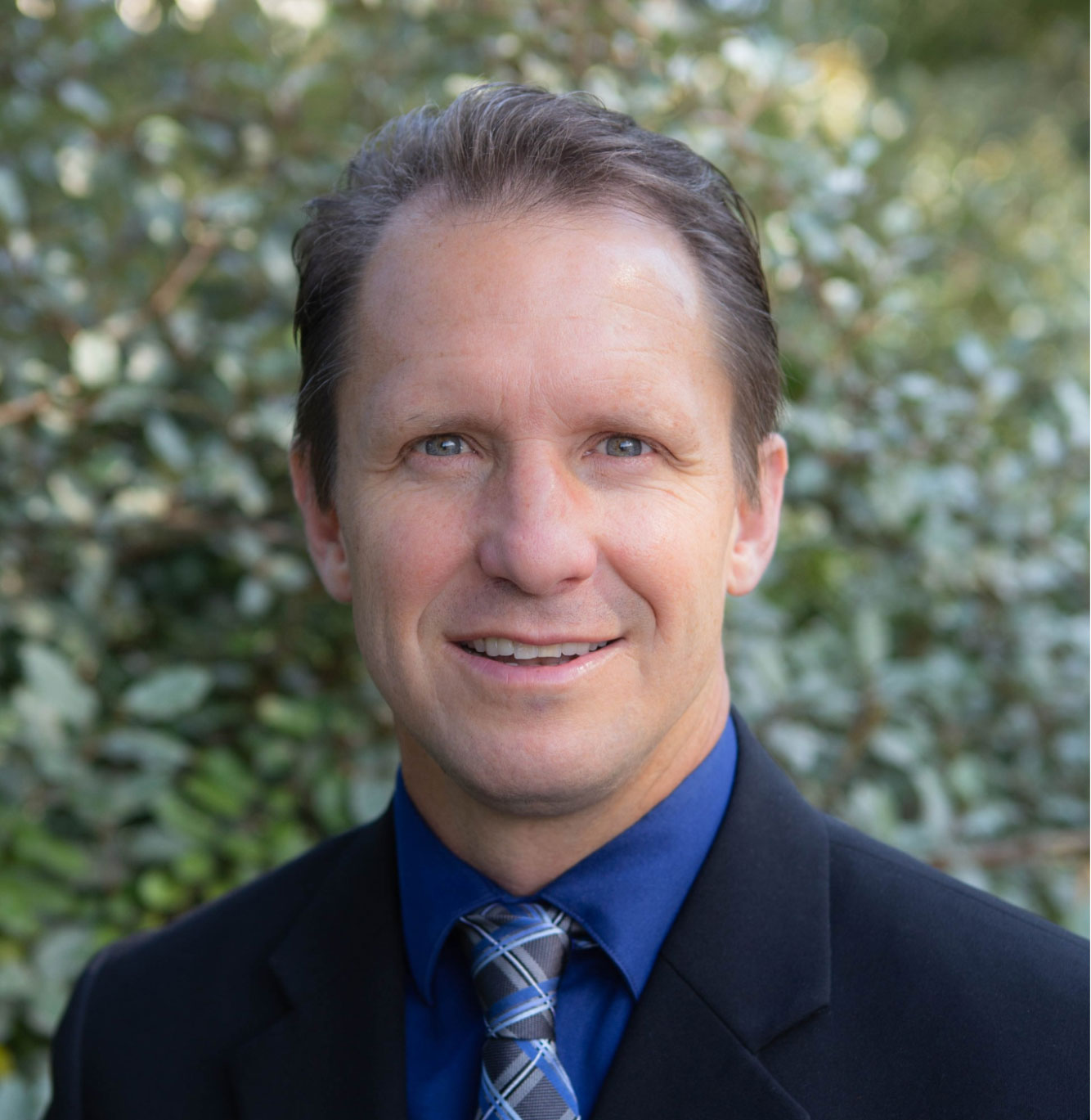
Chad Dixon serves as principal of North Central Middle School and is in his 29th year in education. He began his career as a physical education teacher and coach before moving into school leadership. He is a graduate of Winthrop University and Argosy University.
It Was Time to Do More
My freshman year, I really, really wanted to go.
There were seven seniors going to the SCAMLE Conference, and I did not really know a single one of them. I remember telling Dr. Martin I really wanted to go and Dr. Martin said, “Okay, you can go.” And I went. I did not know what I was walking into. I just knew I wanted to be there.
That was four years ago. I have been back every year since.
I grew up knowing I wanted to teach middle school. Middle school years are hard for every student, and when I look back at my own, those were the years I had the most support from teachers who showed up for me in ways that went beyond content. They taught me what care looks like in a classroom. That stayed with me. I went to Winthrop specifically because they had a Middle Level Program, and I committed myself to it fully, taking on leadership in our Collegiate Middle Level Association almost from the beginning. When something needed to happen, I made it happen. That was just who I was.
Dr. Martin saw it. She has been my professor, my advisor, and if I am being honest, one of the most important people in my life. I have sat in her office and cried, laughed, and worked through everything in between. She has never sugarcoated anything for me, and I have never wanted her to. We have that kind of relationship.
Last year, when we came back from the conference, she looked at me and said “You have been enough times to SCAMLE. It is time to do more. You’ve been to enough presentations. You know what a good presentation looks like and what it doesn’t. Let’s present.”
So we did. This year, I co-presented with another student and two of our faculty members on hosting college interns with purpose. Two student perspectives, two faculty perspectives, what makes an internship experience actually work for everyone in the room. I had presented in classrooms before. This was different. This was a room full of middle school educators from across the state, and I was teaching them something.
I will not pretend the year was simple. I came in with a full plate. I had an early Friday afternoon meeting with Dr. Martin and the SCPOMLE organization before the conference even began. I was also receiving the Teacher Candidate to Watch Award that evening, the first recipient from Winthrop University. And I was responsible for eleven students from our program, nine of whom were attending for the very first time. I had to apologize to all of them at the end. I told them: I am sorry I was not there to walk you through every session. I had expected to guide them more closely, and they had probably expected that too. But what happened instead was that they figured out how to navigate on their own, and I think that was its own kind of lesson. You can only lead from afar sometimes. That is still leading.
What I have come to understand about this conference is that it meets you wherever you are. My freshman year, it was a room full of people who loved middle schoolers, and I had never been around that before, not all at once, not like that. By junior year, I was bringing others and watching them have the same experience. This year, I was at the front of a session, and a woman I had met at the national conference in Indianapolis came into the room to support me. She is not even from South Carolina. She works for AMLE and lives in Indiana. And she came.
Having support within the state and outside the state, at the national level, is so meaningful. Part of the reason I keep coming back.
I have a notebook full of things I have written over the past four years. Quotes from keynote speakers. Strategies I tried in my field placements. I brought my ideas to my mentor teachers and said, “Can we do this?” I graduate in May. My first classroom is coming. Every single page in that notebook is coming with me.
I did not really know those seven seniors when I showed up as a freshman. I just knew I wanted to be there. I am glad I went.
Alexa Kate Bagwell is a senior in the Middle Level Education Program at Winthrop University, completing her student teaching at Gold Hill Middle School. She is a seventh grade math teacher candidate, the 2026 Teacher Candidate to Watch award recipient, and the first Winthrop University Student Ambassador to AMLE. She graduates in May 2026.

A Principal Said Yes
In my first year teaching, my principal let me go to SCAMLE.
I was a nineteen-year-old math teacher in Sumter, South Carolina and it was 1991. The conference was at the beach, in the same hotel and location where it is still held today. I remember walking into that opening session and thinking, This is exactly where I need to be. I came home energized in a way I had not expected. Not in the way a good lesson plan energizes you, or a strong parent meeting. It was something different. Something that reminded me why I had chosen this profession in the first place..
I went back the next year, and the year after that. By my second or third year teaching, I was presenting.
What I found at that conference, and what I kept going back for, was simple. Most of your professional life is spent inside your school, your district, your own four walls. A conference breaks that open. You sit beside someone from another part of the state who is wrestling with the exact same challenges you are. You hear their frustration and recognize it. You hear what they tried and write it down. You stop feeling like the only one.
If you took the time to attend a conference, you are not a Negative Nelly sitting in the teacher’s lounge. You are there because you care, because you want to grow, and because you want to be better. It puts you in that mindset.
I carried that with me into administration, telling every teacher I led: get out, go learn something, come back changed. I carried it to Winthrop eleven years ago when I came to join the middle-level program. In my first year back at SCAMLE as a professor, I sat in the higher education faculty organization meeting, met Chris Burkett, and learned that the Middle Grades Initiative could help pay for my students to attend.
That mattered to me because I remembered my own college experience. I once went to a conference in Hilton Head with my professors. We went to dinner. We played putt-putt. I remember thinking it was the coolest thing, being around my professors outside of the classroom, to be treated like a future colleague instead of just a student. It changed how I saw myself in this profession.
I wanted to give my students that same experience.
So we started going. The first year, maybe four students. I told them, “We are going to do something fun on Friday night. We are going to go to dinner together. We are going to be around each other in a different way.” I have done it every year since. It is not a small thing. In many ways, it is the thing. A college student who has never been taken seriously as a professional does not know what that feels like until someone shows them.
Money is always a barrier. A college student cannot easily afford a conference and a hotel room. But if the path is cleared, they go. And once they go, something shifts.
This year, eleven students came with us. Nine of them were attending for the first time. Our program has grown to fifty-four students. Some of that growth comes from the work we do in the classroom. But some of it comes from this conference and the way it shows students that there is an entire community of people who chose middle school on purpose and are glad they did.
What I love most is what happens years later. SCAMLE has become what I can only describe as a Winthrop alumni reunion. Former students who are now in their fourth, fifth, or sixth year of teaching come running up to me. They tell me what is happening in their classrooms, where they have moved, and what they are accomplishing. Some of them went to schools where the principal had never heard of SCAMLE. They went anyway. A few brought their principals the following year.
One of my newer graduates attended a school where the principal had risen through the ranks of high school administration. He was talented and capable, but he did not know the middle-level framework. Then here came my teacher, fresh out of Winthrop, asking why they were not team teaching and why these best practices were not part of the school’s culture. That is what the Middle Grades Initiative planted in her. That is what the conference was about.
The middle grades initiative is helping perpetuate this mindset. It gives teachers the conference experience and a network of people who still believe what they were taught about middle schools.
I also serve as a Schools to Watch evaluator, and what I see when I visit those schools reinforces everything I know about why this matters. Middle school is not elementary school, and it is not high school. It requires its own philosophy, its own structures, its own understanding of what adolescents need at this specific moment in their development. When a school is built around those principles, you feel it the moment you walk in. When it is not, you feel that too.
This year, I watched Alexa Kate Bagwell present at SCAMLE for the first time. She has been coming with us for four years, the only student in our program’s history to attend every single year. Last year, I looked at her and told her it was time to do more. She had been leading, recruiting, and showing up. She was ready to stand at the front of a room and teach other teachers. So she did. That same weekend, she also received the Teacher Candidate to Watch Award. She was running in every direction that Friday, presenting, receiving an award, and leading nine first-time attendees from afar. She handled all of it with confidence.
Watching her, I thought about 1991. A principal who said yes and sent a young teacher to a beach conference. A girl who went to putt-putt with her professors at Hilton Head and thought: I want to do this for my students someday.
They build my world just as much as I help build theirs. They feed my passion. We desperately need many more people who want to be in middle schools.
Thirty-five years later, I am still going to the same conference. Still taking notes. Still taking students to Friday night dinner and watching something shift in how they see themselves.
Still saying yes.
Dr. Stacy Martin is the Middle Level Program Director and an Assistant Professor in the College of Education, Sport, and Human Sciences at Winthrop University. A former middle school math teacher, lead teacher, assistant principal, and sixteen-year middle school principal, she has been in education for thirty-five years. She serves as a Schools to Watch evaluator through the South Carolina Middle Grades Initiative.